3 Reasons Being the Last Person on Earth Haunts Us
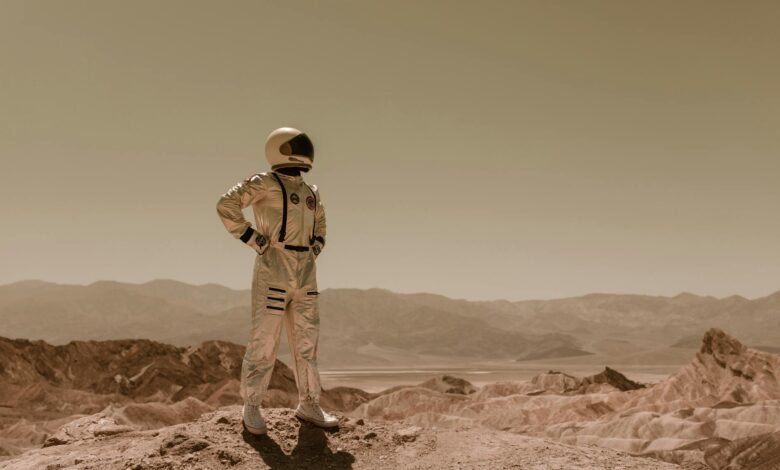
The idea of being the last person on earth is one of those thoughts that sneaks up on you at 2am when you should definitely be asleep. It starts innocently — maybe you imagine an empty grocery store, total silence outside, no notifications on your phone ever again. And then something strange happens: part of you exhales. Part of you panics. Both feelings hit at exactly the same time, and suddenly you’re spiraling into one of the most deeply human thought experiments that has ever existed.
You are not alone in this. Millions of people have sat in the dark and imagined the same empty world. There is a reason this fantasy keeps coming back, and it is more psychologically fascinating than you might expect. Let’s actually dig into why this thought feels like both a dream and a nightmare simultaneously.
Why the Last Person on Earth Fantasy Feels So Peaceful
The World Has Never Been This Quiet
Think about how much noise fills your average day. Notifications, obligations, conversations you did not ask for, opinions you did not need, and a social calendar that somehow always has one more thing on it. Modern life is relentless, and your brain knows it. So when you imagine being the last person on earth, what your mind is really doing is pressing the ultimate mute button.
No one needs anything from you. No emails. No deadlines. No awkward eye contact in the hallway. The fantasy taps directly into something psychologists call autonomy desire — the deep human need to feel in control of your own time and space. When every person on earth disappears in your imagination, so does every single social obligation that has ever made you feel trapped.
There is also something quietly beautiful about the idea of reclaiming space. You could walk into any building. Sleep in any bed. Drive down any highway with absolutely no traffic. The world becomes entirely yours, like a theme park that closed for the night and forgot to lock the gate. For someone who feels invisible or overwhelmed in the real world, that image is genuinely intoxicating.
Silence as a Form of Relief
Research consistently shows that chronic social noise and overstimulation contribute significantly to anxiety and burnout. The last person on earth scenario essentially eliminates every external stressor in a single imaginative sweep. No wonder it feels like taking off shoes after a very long day. Your brain is not fantasizing about death or disaster — it is fantasizing about unconditional rest.
Furthermore, solitude in small doses is genuinely restorative. Most introverts already know this on a cellular level. The empty-world fantasy is just solitude taken to its absolute logical extreme.
Why Being the Last Person on Earth Also Feels Terrifying
Here is where things get interesting. The exact same empty world that felt peaceful thirty seconds ago suddenly becomes one of the most horrifying images your brain can produce. And the shift happens fast. You are standing in that quiet grocery store and then you realize — no one is ever coming back. Not your mom. Not your best friend. Not even the stranger you always see at the coffee shop whose name you never learned but somehow miss immediately.
Humans are wired for connection at a biological level. According to Science Daily, studies in social neuroscience show that loneliness activates the same pain pathways in the brain as physical injury. Your body literally processes isolation as a wound. So the moment you really sit with the last person on earth scenario — not the fantasy version, but the real version — your nervous system starts sending alarm signals because connection is not optional for humans. It is survival.
There is also the weight of being the final witness. Every building, every book, every photograph, every song ever recorded — all of it exists and none of it matters to anyone but you. Meaning requires an audience. Laughter is only funny when someone else hears it. A beautiful sunset feels different when you know no one else will ever see one again. The last person on earth does not just lose people — they lose the entire infrastructure of meaning that people create together.
And then there is the practical terror. No doctors. No help if something goes wrong. Every small injury becomes potentially fatal. The fridge stops working eventually. The power grid goes dark. The comfortable apocalypse fantasy dissolves fast when you remember that civilization only functions because millions of people are maintaining it simultaneously.
The Psychology Behind Wanting to Disappear Without Actually Disappearing
Here is the thing nobody talks about: when most people imagine being the last person on earth, they are not actually wishing for everyone to die. What they are really craving is a specific kind of permission. Permission to stop performing. Permission to exist without being observed, evaluated, or needed by anyone.
Psychologists sometimes describe this as the desire for psychological invisibility — the wish to opt out of the social game entirely while still being alive and safe. It shows up in smaller fantasies too. The sudden urge to drive somewhere no one knows your name. The appeal of a solo road trip with no destination. The inexplicable comfort of being in a crowd where nobody knows you exist.
The last person on earth thought is just that impulse cranked up to eleven. It is your overwhelmed brain searching for an exit from expectation. And the reason it feels peaceful and terrifying at the same time is because both responses are completely honest. The peace is real — you genuinely do need more space, more quiet, more time that belongs only to you. The terror is also real — because you genuinely do need people, even when they exhaust you.
These two truths do not cancel each other out. They coexist, and the tension between them is actually one of the most defining features of being human. We are social creatures who desperately need solitude. We are individuals who cannot survive without community. We want to be seen and we want to disappear. All at once, always.
What This Thought Actually Says About You
If the last person on earth fantasy visits you regularly, it does not mean something is wrong with you. In fact, it probably means something is very right with you — specifically, that you are self-aware enough to notice when you are running on empty.
People who never crave solitude are often not as in touch with their own inner world. The fact that your brain generates this particular fantasy suggests you have a rich interior life and a genuine awareness of your own limits. You know when the noise is too much. You know when you need out. The apocalypse-for-one daydream is just a dramatic metaphor your mind invented to communicate something simple: I need a break.
Meanwhile, the terror that follows the fantasy is equally telling. It means your attachments are real. It means the people in your life actually matter to you, even the difficult ones, even the ones who drain you. You cannot genuinely fear losing something you do not value. The grief that shows up when you really imagine a world without anyone else is evidence of love — sprawling, imperfect, complicated human love.
So the next time this thought shows up at 3am, maybe let it run a little longer. Not as a wish, but as information. What specifically feels peaceful about the empty world? That is telling you what you are missing. What specifically feels terrifying? That is telling you what you cannot live without. Both answers are worth knowing.
Frequently Asked Questions About the Last Person on Earth
Is it normal to fantasize about being the last person on earth?
Completely normal. Most people experience some version of this thought, especially during periods of stress or burnout. It is a psychological coping mechanism — your brain imagining maximum relief from social pressure. It does not indicate antisocial tendencies or anything alarming. It simply means you are overwhelmed and your imagination is being creative about it.
Why does the last person on earth scenario feel peaceful at first?
The initial peace comes from imagining the total elimination of social obligation, noise, and expectation. Your brain associates it with ultimate autonomy and rest. It is the fantasy of a world where no one needs anything from you — which, for anyone experiencing chronic stress or overstimulation, feels like the most luxurious thing imaginable.
Why does the fantasy turn terrifying so quickly?
Because human beings are biologically wired for social connection. The moment your imagination makes the scenario feel real rather than abstract, your brain’s threat detection system activates. Isolation registers as danger. The loss of meaning, shared experience, and safety that comes with total solitude triggers a deep, instinctive fear response that overrides the initial relief.
Does this thought mean I secretly want to be alone forever?
Not at all. Wanting temporary solitude and wanting permanent isolation are very different things. This fantasy is typically your mind’s way of requesting more breathing room, not a rejection of people entirely. Most people who have this thought also deeply value their relationships — the fear that follows confirms exactly that.
What should I do if this thought keeps coming back?
Treat it as a signal worth listening to. Ask yourself what specifically feels appealing about the empty world — more quiet time, fewer obligations, less social performance? Then look for small, real ways to create that in your actual life. More alone time, clearer boundaries, intentional rest. Your brain is asking for something it genuinely needs.
Final Thoughts
The reason the last person on earth fantasy hits both peaceful and terrifying notes is because it exposes the fundamental contradiction at the heart of being human. We need each other and we need space from each other. We crave connection and we crave silence. This thought is not strange or dark — it is one of the most honest things your brain ever produces. Next time it visits you at 3am, maybe just sit with it for a moment. It knows something you need to hear.