8 Reasons Why Coffee Smells Better Than It Tastes
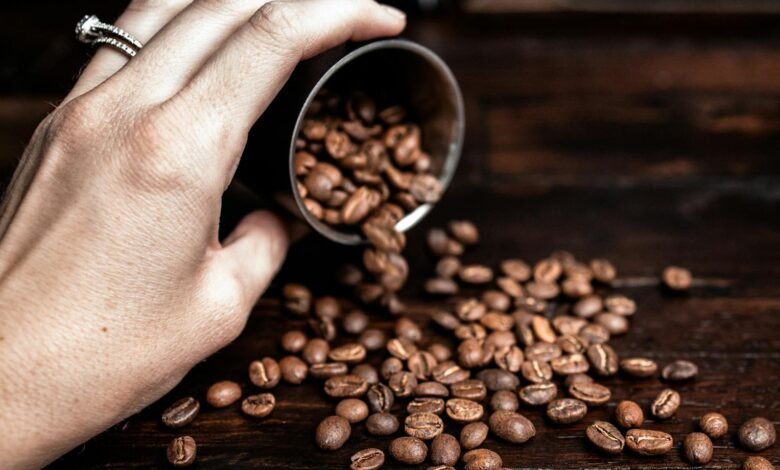
If you’ve ever wondered why coffee smells better than it tastes, you are absolutely not alone — and you are not broken, picky, or wrong. That rich, warm, chocolatey aroma that drifts out of your mug at 7am is one of the most universally beloved smells on earth. Then you take a sip, and suddenly it’s bitter, sharp, and weirdly hollow compared to what your nose promised. What gives? Why does your nose get the VIP experience while your tongue gets the budget version?
The answer involves chemistry, evolution, brain tricks, and a surprisingly dramatic difference between how we smell things versus how we taste them. Buckle up, because this particular rabbit hole goes deep — and it’s the perfect kind of weird to think about at 3am with a cup of coffee you’re not entirely sure you’re enjoying.
The Science Behind Why Coffee Smells Better Than It Tastes
Your Nose Is Detecting Over 800 Compounds at Once
Here’s the wild part: coffee contains over 800 different volatile aroma compounds that get released the moment hot water hits those grounds. Your nose is picking up all of them simultaneously, weaving them into one glorious, complex scent signal. It’s basically a symphony performed just for your olfactory system.
Your taste buds, however, are working with a much simpler toolkit. They can only detect five basic tastes — sweet, salty, sour, bitter, and umami. Coffee leans heavily into bitter and slightly sour territory, which on their own aren’t exactly crowd-pleasers. The aroma promises something magical; the taste delivers something far more limited by comparison.
Furthermore, those 800 volatile compounds are extremely delicate. They exist in gas form, which is why you can smell coffee from across the room. But many of them never actually make it onto your tongue in the same way. The moment coffee enters your mouth, many of those aromatic compounds evaporate before your taste receptors can process them. Your nose already cashed the check your mouth can’t fully cover.
Retronasal vs. Orthonasal Smell
There are actually two ways you smell things, and most people have no idea this is happening. Orthonasal smell is what happens when you inhale a scent through your nostrils — like sniffing a fresh cup of coffee. Retronasal smell is what happens when aromas travel from the back of your mouth up into your nasal passage while you’re chewing or drinking.
When you sniff coffee, you’re getting the full orthonasal experience — all those glorious volatile compounds flooding your nose in a warm, concentrated wave. But when you drink it, the retronasal signal is weaker, mixed with saliva, and competing with the bitterness your taste buds are loudly reporting. The two experiences simply don’t match up, and that gap is exactly why coffee smells better than it tastes to so many people.
Why Coffee Smells Better Than It Tastes: The Brain’s Role
Your brain is doing something sneaky here. Smell is the only sense that bypasses the thalamus — the brain’s relay station — and goes directly to the limbic system, which handles emotion and memory. This means the smell of coffee hits your emotional brain almost instantly, before logic or analysis can get involved. It triggers warmth, comfort, anticipation, and nostalgia in a fraction of a second.
Taste, on the other hand, takes a slightly more analytical route. Your brain processes it with more scrutiny. It’s asking: is this safe? Is this nutritious? Is this poisonous? Bitterness, which coffee is loaded with, is actually one of the key warning signals your brain uses to detect potential toxins. Evolutionarily speaking, your brain is still slightly suspicious of bitter things, even when you consciously love them.
According to Healthline, the human brain’s sensitivity to bitter flavors evolved as a protective mechanism against ingesting harmful plants and substances — which is part of why coffee’s bitterness can feel jarring even when the smell is intoxicating.
Meanwhile, your brain has already built up an enormous emotional library around the smell of coffee. Years of mornings, cozy kitchens, first dates at cafés, and productive work sessions have all been filed under “coffee smell = good.” The taste never had a chance to build the same emotional résumé.
The Maillard Reaction Is Basically a Scent Factory
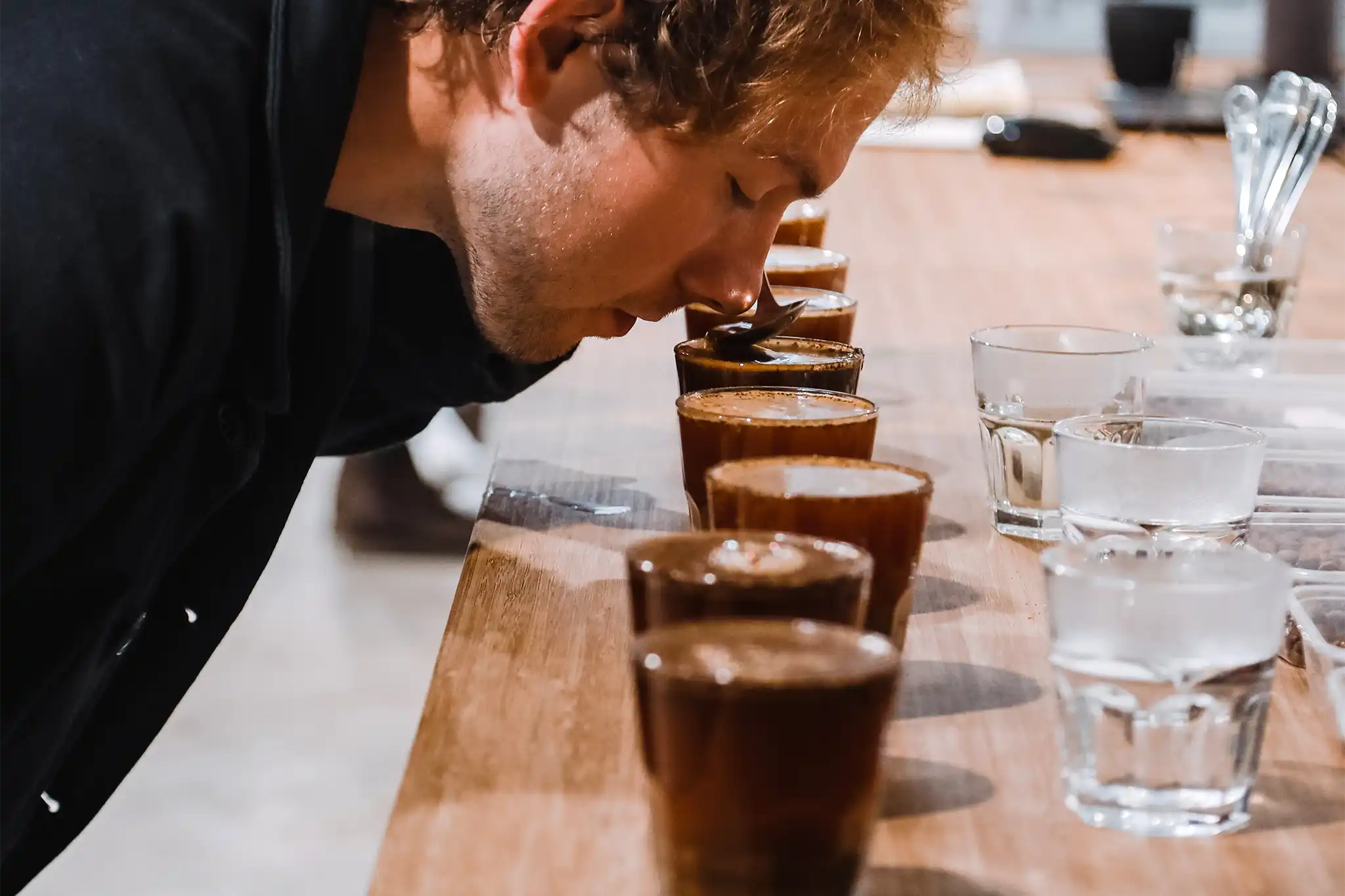
When coffee beans are roasted, they undergo something called the Maillard reaction — the same chemical process responsible for the browned crust on bread, the sear on a steak, and the golden color of cookies. During this reaction, hundreds of new flavor and aroma compounds are created at high heat. This is where most of coffee’s incredible smell comes from.
The problem is that many of these compounds are extremely volatile, meaning they literally evaporate into the air as gases. That’s exactly why you can smell fresh coffee from the next room. The best-smelling parts of coffee are actively escaping into the atmosphere rather than staying in the liquid for you to taste.
Additionally, some of the most aromatic compounds formed during roasting — like 2-furfurylthiol, which is responsible for that classic roasted coffee smell — are present in incredibly tiny concentrations. Your nose is sensitive enough to detect them. Your tongue? Not so much. Taste receptors require significantly higher concentrations of a compound to register it, so those beautiful trace aromas simply fly under the radar when it comes to flavor.
Temperature, Bitterness, and the Expectation Gap
There’s also a temperature problem working against coffee’s taste. Most people smell coffee when it’s hottest — right after brewing — and the aroma is at its absolute peak. But sipping scalding hot liquid activates pain receptors in your mouth alongside your taste receptors, which actually dulls flavor perception. You’re not tasting the coffee at its best because your mouth is busy going “ow.”
Let it cool down too much, and a different problem emerges. Cold coffee tastes more bitter and more sour because warm temperatures suppress bitterness perception while amplifying sweetness. The window where coffee tastes closest to how it smells is genuinely quite narrow.
Then there’s the expectation gap, which is perhaps the cruelest part of the whole situation. Your nose sets an impossibly high bar. It tells your brain: “This is going to be the most complex, rich, velvety, smoky-sweet experience of your morning.” Your taste buds then report back with “bitter water, kind of sharp, slight burnt undertone.” The disappointment isn’t just about the coffee — it’s about the gap between what was promised and what was delivered. In fact, researchers call this phenomenon a “sensory mismatch,” and it’s genuinely one of the most studied puzzles in food science.
Why Some People Taste Coffee Differently Than Others
Genetics plays a surprisingly large role in how much you enjoy coffee’s taste versus its smell. About 25% of the population are classified as “supertasters” — people with significantly more taste buds than average, particularly for bitter compounds. For supertasters, coffee’s bitterness is amplified to a degree that most people never experience, making the gap between the smell and the taste feel even more dramatic.
On the other end, non-tasters have fewer bitter-sensitive taste receptors and may find coffee’s flavor far more pleasant and closer to what its aroma suggests. Most people fall somewhere in the middle, which is why adding milk and sugar is so popular — it doesn’t just add sweetness, it actually chemically suppresses some of the bitter compounds and makes the taste experience closer to what the smell already implied.
Furthermore, your sense of smell itself can degrade over time due to aging, illness, or even stress. People who have experienced smell loss often report that coffee suddenly tastes much more bitter and harsh than they remembered — because their brain can no longer blend the rich aroma into the overall flavor experience. It turns out that a huge chunk of what we think we’re “tasting” in coffee is actually smell all along.
Frequently Asked Questions About Why Coffee Smells Better Than It Tastes
Is it normal for coffee to smell better than it tastes?
Completely normal. The phenomenon is rooted in basic neuroscience and chemistry. Coffee contains hundreds of aromatic compounds that your nose detects in ways your tongue simply cannot replicate. Most people experience some version of this disconnect, even regular coffee drinkers who genuinely enjoy the taste. Your nose is just working with better raw material.
Does adding sugar or milk make coffee taste more like it smells?
It actually helps more than you’d think. Sugar suppresses bitterness receptors, and milk binds to some of coffee’s harsh acidic compounds. Together, they soften the flavors that clash most with the aroma. The result isn’t exactly what your nose promised, but the gap between smell and taste genuinely narrows when you modify your brew.
Why does fresh-ground coffee smell so much better than pre-ground?
Freshly ground coffee releases volatile aromatic compounds that have been locked inside the bean since roasting. Pre-ground coffee has already lost many of these compounds to oxidation and evaporation. This is why freshly ground coffee smells intensely amazing — and also why it goes stale faster. Once those volatile compounds escape, they’re gone forever.
Can you train yourself to taste more of what you smell in coffee?
To a degree, yes. Slowing down, breathing out through your nose while sipping, and drinking coffee at around 140°F can help align your smell and taste experiences more closely. Professional coffee tasters — called Q Graders — train extensively to do exactly this. It takes time, but your brain can learn to integrate the signals better.
Does the same smell-better-than-taste thing happen with other foods?
Absolutely. Wine, dark chocolate, and certain cheeses all exhibit similar patterns where the aroma dramatically outpaces the initial taste. These are typically foods with high volatile compound counts, complex chemical profiles, and noticeable bitterness or sharpness. Coffee just happens to be the most universally experienced example of the phenomenon.
Final Thoughts
The reason coffee smells better than it tastes comes down to a beautiful, slightly frustrating collision of chemistry, evolution, and brain wiring. Your nose gets access to hundreds of delicate aromatic compounds all at once, delivered straight to your emotional brain with zero filtering. Your taste buds get what’s left — mostly bitterness, a hint of acid, and the lingering ghost of everything the smell already promised. It’s not a flaw. It’s just how beautifully complicated your senses are. Next time you pause to inhale your morning cup before sipping, you’re not being dramatic — you’re actually getting the best part.