Why Do We Have Daylight Saving Time? The Strange History Explained
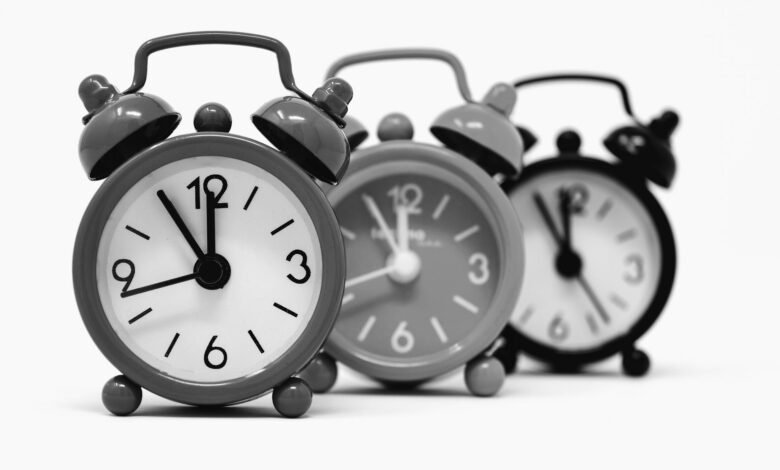
Why do we have daylight saving time? To move one hour of daylight from the early morning, when most people are asleep, to the evening, when they’re awake and active. It was first adopted nationally during World War I to save fuel, and it has survived for more than a century, even though people still argue about whether it’s worth it.
In the United States, clocks “fall back” one hour on Sunday, November 1, 2026, at 2 a.m., according to the National Institute of Standards and Technology (NIST). In Europe, clocks change a week earlier, on the last Sunday of October. Here’s how this strange tradition started and why it’s still around.
Key Takeaways
- Daylight saving time shifts an hour of light from morning to evening during the warmer months.
- Germany and Austria-Hungary were the first countries to adopt it, in 1916, to save coal during World War I.
- In the U.S., it runs from the second Sunday in March to the first Sunday in November.
- In 2026, U.S. clocks fall back on November 1 and European clocks on October 25.
- Many scientists and lawmakers now want to stop changing the clocks, but they disagree on which time to keep.
What Is Daylight Saving Time?
Daylight saving time (DST) is the part of the year when clocks are set one hour ahead of standard time. You “spring forward” one hour in March and “fall back” one hour in the fall, when you return to standard time.
Moving the clocks doesn’t create extra sunlight. It shifts when the light arrives. During daylight saving time, the sun rises and sets an hour later by the clock, so there’s more light after work and school and less early in the morning.
A quick spelling note: the official name is daylight saving time, not daylight savings time, although almost everyone says it both ways.
Why Do We Have Daylight Saving Time? A Short History
Benjamin Franklin’s Joke (1784)
Benjamin Franklin is often credited with inventing daylight saving time, but he didn’t. In 1784 he wrote a satirical letter to a Paris newspaper joking that Parisians could save a fortune on candles if they simply got out of bed earlier in summer. He suggested waking people with church bells and cannons, but he never proposed changing the clocks.
An Insect Collector’s Idea (1895)
The first real proposal came from George Hudson, an entomologist in New Zealand. His day job meant he had spare time after work, and he wanted more daylight in the evening to collect insects. In 1895 he proposed moving the clocks two hours ahead each spring. People were interested, but it wasn’t adopted.
A Golfer’s Campaign (1907)
In Britain, a builder named William Willett came up with the same idea independently in 1907. Riding his horse early one summer morning, he noticed how many Londoners were still asleep with their curtains closed. Willett, a keen golfer who hated cutting his round short at dusk, spent years lobbying Parliament. He died in 1915, a year before Britain adopted the idea.
The First Clock Change (1908)
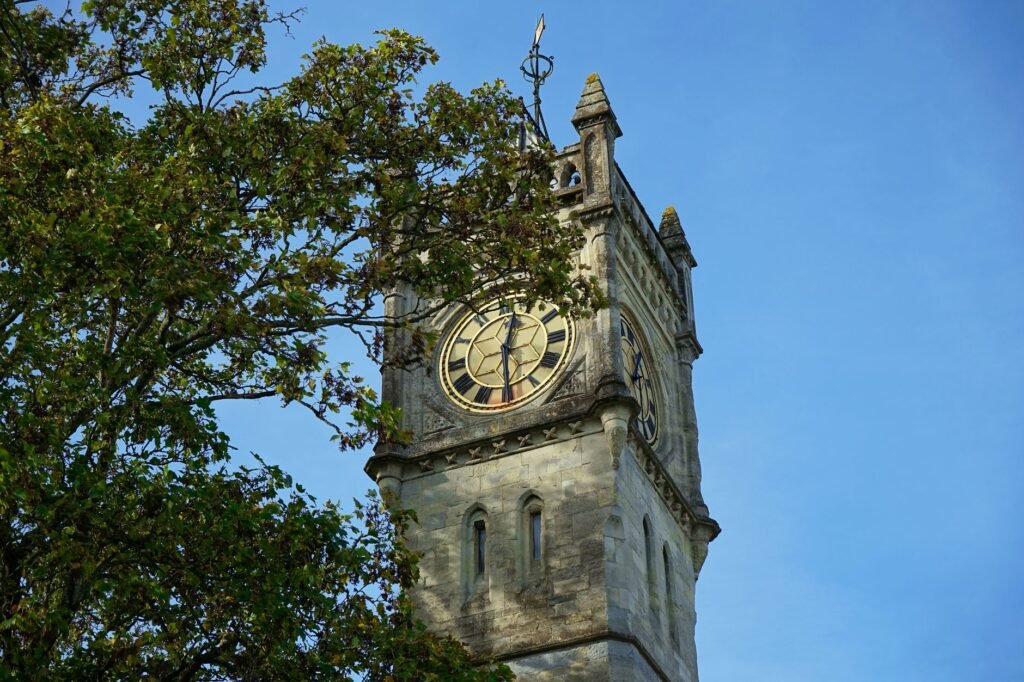
The first place to actually change its clocks was the twin cities of Port Arthur and Fort William in Ontario, Canada, on May 1, 1908. The two cities later merged to become Thunder Bay. But it was a local experiment, not a national law.
World War I Makes It Official (1916)
The real turning point was war. On April 30, 1916, Germany and Austria-Hungary became the first countries to adopt daylight saving time nationwide. The goal was to save coal used for lighting, so more fuel could go to the war effort. Britain and many other countries quickly followed, and the United States adopted it in 1918.
On, Off and On Again in the U.S.
Americans didn’t love it at first. Daylight saving time was dropped nationally after World War I, brought back year-round during World War II, then left to states and towns to decide. That created chaos, with neighboring towns on different times. Congress fixed this with the Uniform Time Act of 1966, which set national rules for when the clocks change.
The U.S. even tried year-round daylight saving time in January 1974, during an energy crisis. It was unpopular, mostly because children were going to school in the dark on winter mornings, and it was quickly reversed. The current schedule began in 2007, after the Energy Policy Act of 2005 extended daylight saving time by about a month.
When Do the Clocks Change in 2026?
| Region | Clocks spring forward | Clocks fall back |
|---|---|---|
| United States and Canada | March 8, 2026 (2nd Sunday in March) | November 1, 2026 (1st Sunday in November) |
| European Union and UK | March 29, 2026 (last Sunday in March) | October 25, 2026 (last Sunday in October) |
In the U.S., the change happens at 2 a.m. local time. In the fall, 2 a.m. becomes 1 a.m., so that hour happens twice and you get an extra hour of sleep. According to NIST, daylight saving time now lasts 238 days, or about 65% of the year.
Not everyone changes their clocks. Hawaii and most of Arizona stay on standard time all year, as do Puerto Rico, Guam, the U.S. Virgin Islands and American Samoa. The Navajo Nation in Arizona is an exception and does observe daylight saving time. Most countries near the equator don’t use it at all, because their day length barely changes through the year.
Does Daylight Saving Time Actually Save Energy?
This was the original reason, and it’s the most debated. Saving energy made more sense in 1916, when lighting was a big part of energy use. Today, homes use far more power for heating, cooling and electronics, and modern studies disagree about whether changing the clocks saves any energy at all. Many find the effect is very small.
Supporters now point to other benefits: more evening daylight for shopping, sports and outdoor activities, and possibly fewer crimes and traffic accidents in the brighter evenings.
Why So Many People Want to End It
The biggest complaint is the clock change itself. Losing an hour in spring disrupts sleep and the body’s internal clock, and research summarized on Wikipedia’s daylight saving time page links the spring change to a short-term rise in heart attacks and traffic accidents. Your body clock affects mood and energy too, as we explain in why your mood changes for no reason.
Lawmakers have tried to stop the switching:
- Europe: In 2019 the European Parliament voted to end seasonal clock changes, but EU countries never agreed on the details, so the plan has stalled.
- United States: In 2022 the U.S. Senate passed the Sunshine Protection Act to make daylight saving time permanent, but the House didn’t pass it, so nothing changed.
- Many U.S. states have passed laws to stay on daylight saving time all year, but they can’t do it unless Congress allows it.
The fight is really about which time to keep. Many sleep scientists prefer permanent standard time, because morning light is better for the body clock. Others prefer permanent daylight saving time for brighter evenings, but that would mean very dark winter mornings, the same problem that ended the 1974 experiment.
How to Handle the Clock Change
- Shift slowly. Move your bedtime by 15 to 20 minutes a day for a few days before the change.
- Get morning light. Going outside early in the day helps reset your body clock faster.
- Check older clocks. Phones and computers update automatically, but car, oven and wall clocks usually don’t.
- Use it as a reminder. Many people check their smoke alarm batteries when the clocks change.
Frequently Asked Questions
Who invented daylight saving time?
New Zealand entomologist George Hudson first proposed it in 1895, and Britain’s William Willett promoted it independently from 1907. Benjamin Franklin is often credited, but his 1784 letter was a joke about waking up earlier, not a plan to change the clocks.
Do we gain or lose an hour in the fall?
You gain an hour. When daylight saving time ends, clocks move back from 2 a.m. to 1 a.m., so you get an extra hour that night. In spring, you lose an hour.
Is it daylight saving time or daylight savings time?
The correct name is daylight saving time, without the “s.” Daylight savings time is a very common way of saying it, but it isn’t the official term.
Why don’t Arizona and Hawaii change their clocks?
Hawaii is close to the equator, so its day length doesn’t change much. Arizona is very hot, and more evening sunlight would mean more time spent running air conditioners, so most of the state chose to stay on standard time all year.
Is daylight saving time going to end?
Not yet. Both the U.S. and the EU have tried to end the clock changes, but neither has agreed on whether to keep permanent standard time or permanent daylight saving time.
The Bottom Line
We have daylight saving time because, more than a century ago, countries at war wanted to save fuel by moving an hour of daylight into the evening. The idea came from an insect collector and a golfer, not from Benjamin Franklin. Today the energy savings are doubtful and the clock changes disrupt sleep, so many people want to end them. Until then, remember to fall back on November 1, 2026 in the U.S., and enjoy the extra hour.
A bad night’s sleep can affect more than your mood. Find out why you might be still hungry after eating, or explore more odd questions in our Random & Weird section.