Why Do Leaves Change Color in the Fall? The Science Explained Simply
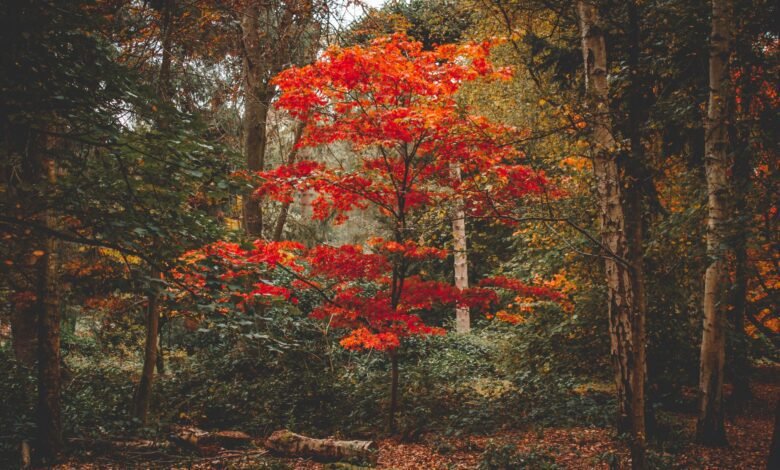
Why do leaves change color in the fall? Because trees stop making chlorophyll, the green pigment that powers photosynthesis. As the green fades, yellow and orange pigments that were hidden all summer finally show through, and some trees make brand-new red and purple pigments. The mix of these pigments decides whether a leaf turns gold, orange or crimson.
It looks like the leaves are simply dying, but it’s actually a careful, planned process. The tree is getting ready for winter, saving what it can, and protecting itself before it drops its leaves.
Key Takeaways
- Leaves are green in summer because chlorophyll covers up every other color.
- Shorter days and cooler weather tell trees to stop making chlorophyll and break it down.
- Yellow and orange come from carotenoids, which were in the leaf all along.
- Reds and purples come from anthocyanins, which many trees make new in the fall.
- Sunny days and cool, frost-free nights give the brightest fall leaves.
Why Are Leaves Green in the First Place?
Leaves are green because they are packed with chlorophyll. This pigment captures sunlight so the tree can turn water and carbon dioxide into sugar, the process called photosynthesis. Chlorophyll absorbs red and blue light and reflects green light, which is why leaves look green to us.
Chlorophyll breaks down quickly in sunlight, so all summer long the tree keeps replacing it. As long as the tree keeps making fresh chlorophyll, its green color hides every other pigment in the leaf.
Why Do Leaves Change Color? It Starts With Shorter Days
In late summer, the days get shorter and the temperatures cool. Trees sense these changes, and deciduous trees (the ones that drop their leaves) begin to prepare for winter.
Winter is hard on leaves. There is less sunlight to make food, and water is harder to get when the ground is cold or frozen. Keeping leaves alive would cost the tree more than they give back. So instead, the tree stops making chlorophyll and starts breaking it down.
This is a smart move. As Arizona State University’s Ask a Biologist explains, making chlorophyll takes a lot of energy. By breaking it down and pulling the useful parts back into its branches before the leaves fall, the tree can reuse them to build new leaves in spring.
The 3 Pigments Behind Fall Leaves
Once the green is gone, three groups of pigments decide the color you see.
1. Chlorophyll (Green)
Chlorophyll is the green pigment that dominates all summer. In autumn it is broken down into colorless pieces. Sometimes you can see this happening: the veins of a leaf stay green for a while after the rest of the leaf has changed.
2. Carotenoids (Yellow and Orange)
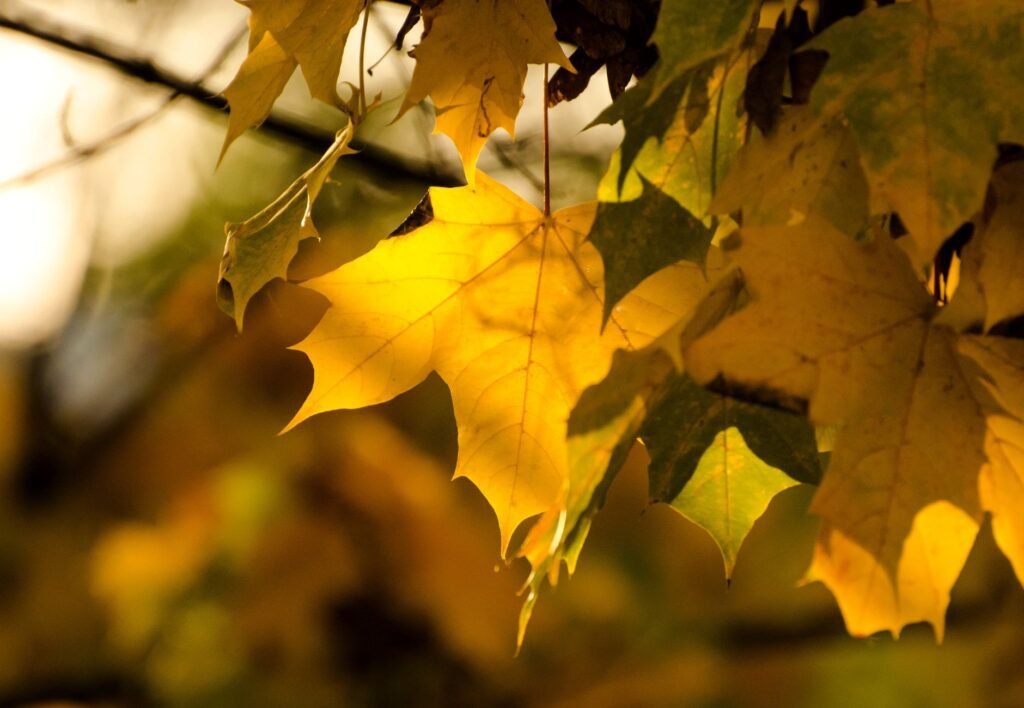
Carotenoids are the same family of pigments that make carrots orange and corn yellow. They are in leaves all year, helping chlorophyll capture light, but they are hidden by all that green. Carotenoids break down more slowly than chlorophyll, so when the green fades, the yellow and orange are finally revealed. Trees like birches, aspens and many maples owe their gold color to carotenoids.
3. Anthocyanins (Red and Purple)
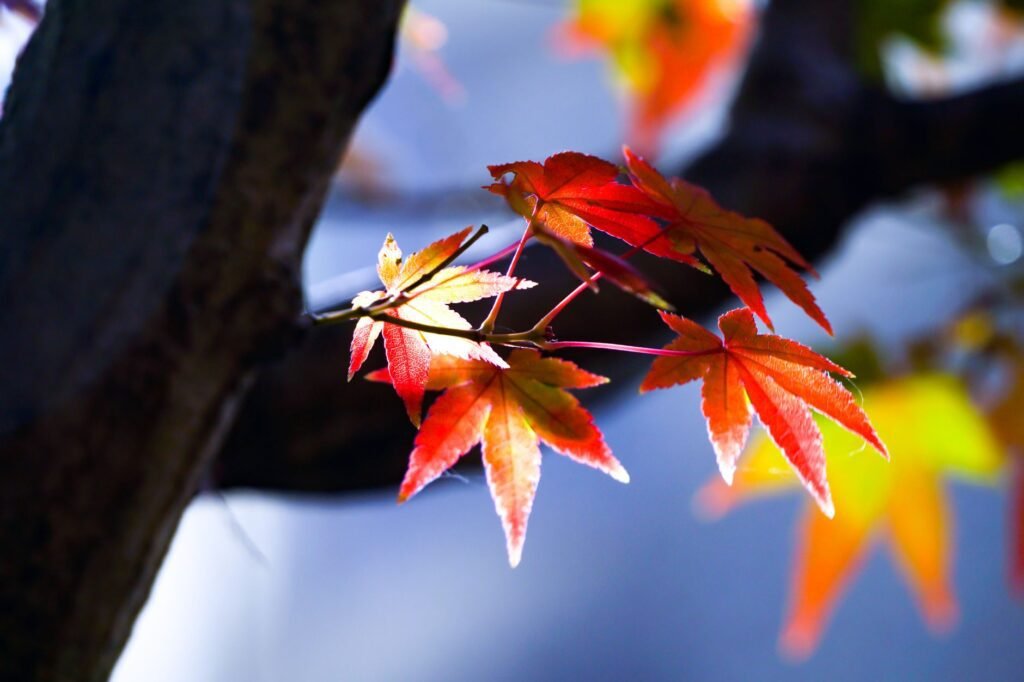
Anthocyanins are different. Most trees don’t keep them in their leaves during summer. Instead, many trees actively make them in the fall. These are the pigments that give red maples, sweetgums, dogwoods and some oaks their red and purple colors. They are also what colors cranberries, red apples and blueberries.
Why would a tree spend energy making a new pigment in a leaf it’s about to drop? Scientists think anthocyanins act like sunscreen. They protect the leaf from bright light while the tree is still pulling nutrients back out, so it can recover more before the leaf falls.
| Pigment | Color | When it’s in the leaf | Example trees |
|---|---|---|---|
| Chlorophyll | Green | Spring and summer, broken down in fall | All leafy trees |
| Carotenoids | Yellow, orange | All year, hidden by green | Birch, aspen, hickory |
| Anthocyanins | Red, purple | Mostly made new in fall | Red maple, sweetgum, dogwood |
| Tannins | Brown | Left over at the end | Many oaks |
Why Some Leaves Turn Brown
Brown leaves usually come at the end, when the other pigments have broken down and the leaf is dying. What’s left are brownish compounds called tannins. Some trees, like many oaks, go brown fairly quickly. A brown leaf can also appear when the last bits of green chlorophyll mix with red anthocyanin.
How Weather Decides How Bright Fall Colors Get
Every autumn looks a little different, and the weather is the reason. According to the research on autumn leaf color, the brightest displays usually come when the days are sunny and cool and the nights are chilly but not freezing.
- Sunny days let leaves keep making sugar, and the more light there is, the more red anthocyanin they make.
- Cool nights slow the flow of sugar out of the leaves, which helps the red pigment build up.
- An early hard frost can kill leaves before they finish changing, cutting the show short.
- Drought in summer can stress trees and make them drop leaves early or turn dull.
- Soil and moisture also play a part, which is why the same kind of tree can look different in two places.
Why Do Leaves Fall Off After They Change Color?
While the colors change, the tree is also getting ready to let go. A layer of special cells, called the abscission layer, grows where each leaf stem joins the branch. It slowly closes off the tubes that carry water and nutrients in and out of the leaf.
Once that layer is finished, the leaf is held on by only a few strands, and wind or rain easily knocks it off. The scar left behind is sealed, protecting the tree from water loss and disease over winter.
Do All Trees Change Color?
No. Evergreen trees like pines, spruces and firs keep most of their needles through winter. Their needles have a waxy coating and a shape that helps them survive cold and save water, so they don’t need to drop them every year. In warm tropical places, many trees stay green all year because there is no cold season to prepare for.
Frequently Asked Questions
What triggers leaves to change color?
Mainly shorter days, with cooler temperatures helping. As nights get longer in late summer and fall, trees stop making new chlorophyll and break down what’s left, which lets other colors show.
Why are some fall leaves red and others yellow?
Yellow and orange leaves are colored by carotenoids that were there all summer. Red leaves have anthocyanins, which some trees make new in the fall. Different kinds of trees make different amounts of each, and many leaves have a mix of both.
Does cold weather make leaves change color?
Cold helps, but daylight is the main signal. Cool nights help bright reds develop, but a hard freeze can kill leaves before they finish changing, which makes colors less vivid.
Why do the veins stay green the longest?
Chlorophyll breaks down unevenly. The tissue near the veins often holds on to its chlorophyll longer, so you sometimes see green veins on a yellow or red leaf.
Are fall colors changing with climate change?
Studies of old plant specimens suggest fall color now starts later in some places than it did in the 1800s. Warmer temperatures, drought and other stresses can also change when and how brightly leaves change color.
The Bottom Line
Leaves change color in the fall because trees stop making green chlorophyll to prepare for winter. As the green fades, yellow and orange carotenoids show through, and many trees make red anthocyanins that may protect the leaf while the tree pulls nutrients back. Sunny days and cool, frost-free nights give the brightest fall leaves, and then the tree seals off each leaf and lets it drop.
Nature is full of clever tricks like this. Learn how honeybees give directions with a dance, or find out why some stars explode while others fade. For more, visit our Science & Nature section.