Waking Up at 3am? Why It Happens and How to Fall Back Asleep
Waking up at 3am is common, and it usually has a simple cause. In the second half of the night your sleep gets lighter, and your body starts to prepare for morning. That makes it easier for stress, alcohol, a full bladder, noise or a warm room to wake you up. Most people can fix it by changing a few habits, and by not fighting the wake-up when it happens.
Below you’ll find the most common reasons you wake at the same time every night, what to do in the moment so you can fall back asleep, and when it’s worth talking to a doctor.
Why Waking Up at 3am Happens: How Sleep Works
To understand 3am wake-ups, it helps to know how a night of sleep is built.
Sleep comes in cycles of roughly 90 minutes. Each cycle moves through light sleep, deep sleep and REM sleep (the stage when most vivid dreaming happens). Over a night you go through about four to six cycles. They aren’t all the same:
| Part of the night | What your sleep is like |
|---|---|
| First half | More deep sleep, which is hard to wake from |
| Second half (around 2–3am onwards) | Less deep sleep, more light sleep and REM sleep |
| Early morning | Your body clock starts preparing you to wake up |
Everyone wakes briefly several times a night, usually at the end of a sleep cycle. Most of the time you don’t remember it. In the lighter sleep of the early hours, a small disturbance can turn one of those brief wake-ups into being fully awake.
Your body clock also plays a part. Levels of cortisol, a hormone that helps you feel alert, are lowest around the middle of the night and start to rise in the early morning hours to get you ready for the day. If you go to bed early, 3am may also simply be when your body has had most of the sleep it needs.

8 Common Reasons You Keep Waking Up at 3am
1. Stress and a Busy Mind
This is one of the most common causes. Stress keeps your body more alert, so the light sleep of the early hours breaks more easily. Once you’re awake, worries tend to rush in, and the quiet of the night makes them feel bigger.
If you lie awake replaying conversations or planning tomorrow, stress is a likely factor. The same restless mind can make it hard to stop losing your train of thought during the day.
2. Alcohol in the Evening
A drink or two can help you fall asleep faster, but it tends to disrupt the second half of the night. As your body processes the alcohol, sleep becomes lighter and more broken. Waking in the early hours after an evening of drinking is very common.
3. Caffeine Later in the Day
Caffeine can stay in your system for many hours. A coffee, energy drink or strong tea in the afternoon can still be affecting you at night, even if you fell asleep without trouble.
4. Needing to Pee
Waking up to use the bathroom is called nocturia. Drinking a lot in the evening, alcohol and caffeine all make it more likely. It also becomes more common with age, and it can sometimes be linked to medical conditions, so mention it to a doctor if it happens most nights.
5. A Room That’s Too Warm, Bright or Noisy
Your body temperature naturally dips during the night. A hot bedroom, heavy duvet or warm pajamas can wake you up. Early morning light, traffic, a partner’s snoring or a phone lighting up with notifications can do the same. Even unread notifications buzzing on a bedside table can be enough.
6. Going to Bed Very Early
If you go to sleep at 9pm, waking at 3am may simply mean you’ve slept for six hours. Some people, especially older adults, naturally shift to an earlier sleep schedule.
7. Changes in Mood or Hormones
Waking very early and being unable to get back to sleep can be a sign of low mood or depression. Hormonal changes, including perimenopause and menopause, can cause night sweats and broken sleep. If your sleep problems come with changes in mood, read about why your mood can change for no clear reason, and consider talking to a doctor.
8. Sleep Disorders
Some conditions cause frequent waking. Sleep apnea, where breathing repeatedly stops and starts during sleep, is one example. Signs include loud snoring, gasping or choking during the night, and feeling exhausted during the day. It needs a medical assessment.
What to Do When You Wake Up at 3am
What you do in the first few minutes makes a big difference.
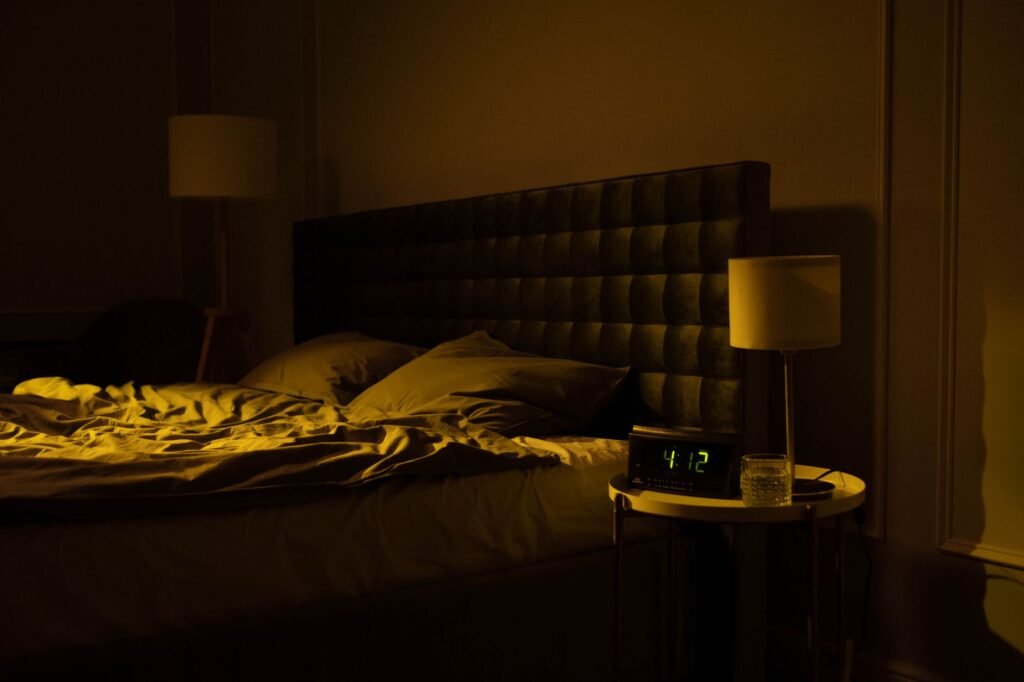
- Don’t check the time. Looking at the clock starts a stressful countdown: “If I fall asleep now, I’ll get four hours.” Turn your clock away from the bed.
- Keep the lights low and avoid your phone. Bright screens and scrolling wake your brain up further.
- Breathe slowly. Try breathing in for about four seconds and out for about six. A longer out-breath helps your body relax.
- Relax your body step by step. Starting at your toes, gently tense and then relax each muscle group.
- Give your mind something boring to do. Count backwards from 300 in threes, or picture a familiar walk in detail.
- Get up if you can’t sleep. If you’ve been awake for what feels like about 20 minutes, go to another dim room and do something calm, like reading a paper book. Go back to bed when you feel sleepy. This stops your bed becoming a place where you lie awake worrying.
- Write worries down. A notepad by the bed lets you “park” a thought until morning.
Lying awake in a dark, silent house can feel lonely at 3am. That strange feeling of being the only one awake is something many people share, as explored in our article on imagining being the last person on earth.
How to Stop Waking Up at 3am: Daytime Habits That Help
Most fixes start long before bedtime.
Keep a Regular Schedule
Get up at the same time every day, including weekends, even after a bad night. A steady wake-up time is one of the strongest signals for your body clock.
Get Daylight in the Morning
Natural light early in the day helps set your body clock. A short walk outside in the morning is ideal.
Watch Caffeine and Alcohol
- Try having your last caffeinated drink by early afternoon.
- Keep alcohol light, and avoid drinking close to bedtime.
Wind Down Before Bed
Give yourself 30 to 60 minutes of calm before sleep: dim lights, a warm shower, reading or gentle stretching. If you tend to lie awake planning, write a short to-do list for tomorrow before bed.
Make Your Bedroom Sleep-Friendly
- Keep it cool, dark and quiet. Blackout curtains, an eye mask or earplugs can help.
- Keep your phone out of reach, or at least on silent and face down.
- Use the bed mainly for sleep, not for work or scrolling.
Don’t Make Up for It With Long Naps
A long afternoon nap can make it harder to sleep through the night. If you need one, keep it short and early in the afternoon.
Try CBT-I for Ongoing Problems
If you’ve been sleeping badly for weeks or months, cognitive behavioral therapy for insomnia (CBT-I) is widely recommended as a first treatment for long-term insomnia. It’s a structured program that changes the thoughts and habits that keep you awake. It’s available from some doctors and sleep clinics, and through apps and online programs.

Is There a Spiritual Meaning to Waking Up at 3am?
Many people search for a spiritual meaning when they keep waking at the same time. Some traditions attach meaning to the early hours, and some people find these ideas comforting. There’s no scientific evidence that waking at a particular hour carries a hidden message. The causes above, like sleep cycles, stress and habits, explain most early wake-ups. If you’re waking regularly and feel unwell or exhausted, a doctor is the best place to start.
When to See a Doctor
Occasional early waking is normal. The NHS suggests seeing a GP if changing your sleep habits hasn’t worked, or if poor sleep has gone on for months and is affecting your daily life.
Also speak to a doctor if:
- you snore loudly, gasp or stop breathing during sleep (a partner may notice this)
- you wake up early with low mood, hopelessness or loss of interest in things
- you need to pee several times every night
- you have night sweats, pain, or other new symptoms waking you up
- you feel very sleepy during the day, especially when driving
Frequently Asked Questions
Is it normal to wake up at 3am every night?
Waking briefly during the night is completely normal. Waking at around the same time each night is common too, because your sleep follows a regular pattern. It becomes a problem when you can’t get back to sleep and feel tired during the day.
Why can’t I go back to sleep after waking up at 3am?
Usually because your mind becomes active. You start thinking, check the time or your phone, and get frustrated about being awake, all of which make your body more alert. Keeping the lights low, avoiding the clock and getting up for a while if you can’t sleep all help break that cycle.
Does waking up at 3am mean I have anxiety?
Not necessarily, but stress and anxiety are common causes. If you also feel worried or tense during the day, or wake with a racing heart and racing thoughts, anxiety may be playing a part. Talking to a doctor can help.
Can what I eat or drink cause 3am wake-ups?
Yes. Alcohol, caffeine later in the day, and drinking a lot of fluid in the evening are common culprits. A very large or spicy meal close to bedtime can also cause discomfort or heartburn that wakes you up.
How long should I stay in bed if I can’t sleep?
Many sleep experts suggest getting up if you’ve been awake for around 20 minutes, or as soon as you feel frustrated. Do something quiet and relaxing in dim light, then return to bed when you feel sleepy.
The Bottom Line
Waking up at 3am usually comes down to lighter sleep in the early hours combined with things like stress, alcohol, caffeine or a disruptive bedroom. Stay calm when it happens, keep the lights low, and get up for a while if sleep won’t come. A regular wake-up time and good daytime habits do most of the work. And if it’s been going on for months, or you have other symptoms, talk to a doctor. Good sleep is very fixable.