Foods High in Chromium: What It Does and How Much You Need
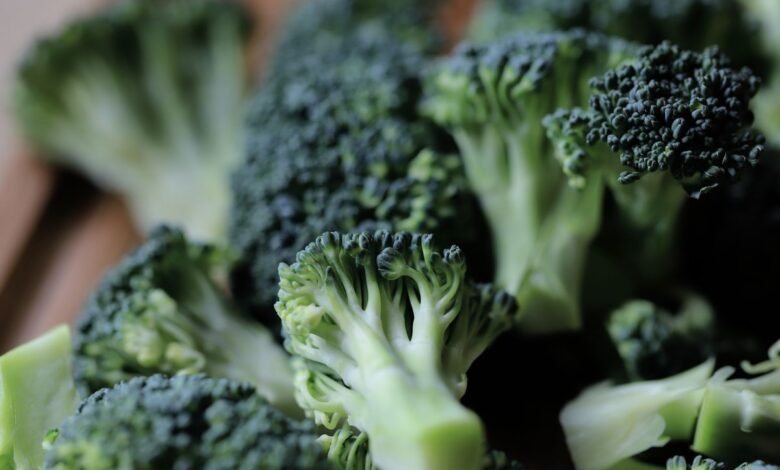
The best foods high in chromium include broccoli, grape juice, whole grains, potatoes, beef, turkey, green beans, garlic and some herbs. Your body uses only tiny amounts of this trace mineral, measured in micrograms, and most people who eat a varied diet of whole foods get plenty without trying.
Chromium is best known for its link to insulin and blood sugar. Below you’ll find what it does, how much you need, a simple food list, and what the science says about supplements.
What Does Chromium Do in the Body?
Chromium appears to help insulin, the hormone that moves sugar (glucose) from your blood into your cells for energy. Researchers think chromium makes insulin’s signal a little more effective. It is also involved in how your body handles carbohydrates, fats and protein.
The idea goes back to the 1950s, when researchers studying rats described a “glucose tolerance factor” that seemed to help insulin work. Today the exact mechanism is still being studied. One proposed explanation involves a small molecule called chromodulin that binds chromium and may boost insulin signaling.
Is Chromium Actually Essential?
Probably not in the way scientists once thought. In 2001, US experts set recommended intakes for chromium. Since then, opinion has shifted. In 2014, the European Food Safety Authority (EFSA) reviewed the evidence and concluded there wasn’t enough proof that chromium is essential, so it chose not to set an intake target. Much of the evidence for chromium deficiency comes from rare cases of patients fed only through a drip (intravenous nutrition) without chromium. Some of those patients developed blood sugar problems that improved when chromium was added.
The US Office of Dietary Supplements now also notes that scientists don’t currently consider chromium necessary for good health. For everyday eating, the practical message is simple: a varied diet gives you any small amounts your body may use.
How Much Chromium Do You Need?
In 2001, US experts set the following Adequate Intakes, which are still listed by the Office of Dietary Supplements at the US National Institutes of Health (NIH). Treat them as a rough guide rather than a strict target, since chromium’s role is now in doubt:
| Group | Chromium per day |
|---|---|
| Men 19–50 | 35 mcg |
| Women 19–50 | 25 mcg |
| Men 51+ | 30 mcg |
| Women 51+ | 20 mcg |
| Pregnancy | 30 mcg |
| Breastfeeding | 45 mcg |
A microgram (mcg) is one-millionth of a gram. These are very small amounts.
Foods High in Chromium
Chromium content varies a lot from one sample of the same food to another. It depends on the soil, the water, and how the food was processed. Use this list as a guide, not exact figures.
Vegetables
- Broccoli, one of the best-known sources
- Potatoes
- Green beans
- Garlic
Grains
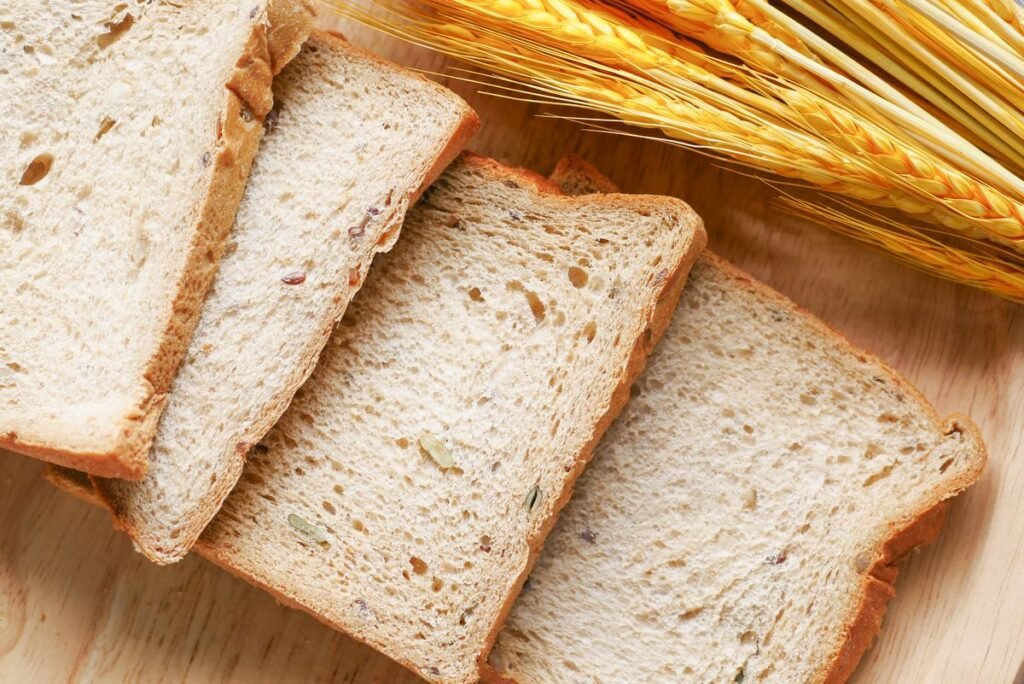
- Whole-wheat bread and English muffins
- Other whole-grain products
Fruit and juices
- Grape juice
- Apples and bananas (smaller amounts)
- Orange juice (smaller amounts)
Protein foods
- Beef
- Turkey breast
Herbs
- Dried basil
Highly refined foods tend to contain less chromium, which is one more reason to choose whole grains over white bread and pastries. Interestingly, cooking acidic foods like tomato sauce in stainless-steel pans can add a little chromium, because small amounts can pass from the pan into the food.

Easy Ways to Get Chromium From Your Meals
- Add broccoli to pasta, stir-fries, omelets or soups.
- Swap white bread for whole-grain bread or an English muffin at breakfast.
- Include a lean protein such as turkey or beef at lunch or dinner.
- Keep potatoes on the menu. Baked or boiled with the skin is a good choice.
- Season with garlic and basil, which add small amounts and lots of flavor.
Chromium and Blood Sugar
Because of its link with insulin, chromium has been studied for decades in people with type 2 diabetes and insulin resistance. The results have been mixed. Some studies found small improvements in blood sugar with chromium supplements, while others found no clear benefit.
The bottom line from health authorities: chromium is not a treatment for diabetes. If you have diabetes, focus on the overall diet your doctor recommends, and don’t add supplements without asking first. Chromium supplements can affect blood sugar and may interact with diabetes medicines.
Blood sugar swings are also one reason some people feel still hungry after eating. Meals with fiber and protein help with both.
What About Chromium Deficiency?
True chromium deficiency appears to be very rare in healthy people. The clearest cases were in hospital patients on long-term intravenous feeding without added chromium. They showed weight loss, nerve problems and trouble controlling blood sugar.
Online lists of “deficiency symptoms” such as tiredness or sugar cravings are very general and have many other possible causes. If you feel unwell, see a doctor rather than guessing that chromium is the cause.
Chromium Supplements: Do You Need Them?
Chromium supplements are sold in forms like chromium picolinate, chromium chloride and chromium nicotinate. They’re often marketed for weight loss or blood sugar control.
- Weight loss: studies have found little or no meaningful effect.
- Blood sugar: results are mixed, as described above.
- Safety: chromium from food is not known to cause harm. There have been rare reports of kidney or liver problems in people taking high-dose supplements.
For most people, food is enough. Talk to a doctor or pharmacist before taking chromium, especially if you take medicines for diabetes, thyroid problems or acid reflux.
Frequently Asked Questions
Which food has the most chromium?
Broccoli is one of the best-known sources, and grape juice also ranks high on many lists. Because chromium levels vary so much by soil and processing, eating a range of whole foods matters more than any single “best” food.
Can you get too much chromium from food?
There’s no known risk from the chromium found naturally in food, and no official upper limit has been set for it. Concerns are linked to high-dose supplements, not to meals.
Is chromium picolinate the same as chromium in food?
No. Chromium picolinate is a supplement form where chromium is bonded to picolinic acid. Food contains chromium in other forms. Both are trivalent chromium (chromium III), which is very different from the toxic industrial form, chromium VI.
Does cooking destroy chromium?
Minerals like chromium aren’t destroyed by heat, but some can leach into cooking water. Steaming vegetables or using the cooking liquid in soups keeps more of them in your meal.
The Bottom Line
You don’t need to track chromium. Eat a varied diet with vegetables like broccoli and potatoes, whole grains, and some lean protein, and you’ll get the small amounts your body uses. Be cautious with supplements, especially if you have diabetes. For more on how food affects your body and mind, read about why coffee smells better than it tastes and how low blood sugar can make your mood change for no reason.