Forgotten Skills: Why You Never Really Lose Them (and How to Get Them Back)

Forgotten skills are rarely deleted from your brain. What fades is your easy access to them. Physical skills like riding a bike or typing are stored in a sturdy memory system that holds on for years. Skills built on facts and words, like a language you studied at school, fade faster. Either way, relearning is almost always quicker than learning from scratch.
That’s why you can wobble onto a bike after twenty years and still ride, but struggle to remember the French word for “umbrella.” Here’s how forgotten skills work, why some last and others don’t, and how to bring them back.
Two Kinds of Memory, Two Kinds of Forgotten Skills
Your brain stores skills in two main ways:
| Type of memory | What it stores | Examples | How fast it fades |
|---|---|---|---|
| Procedural memory (“muscle memory”) | How to do things, often without thinking | Riding a bike, swimming, typing, playing a familiar song | Slowly |
| Declarative memory | Facts and knowledge you can put into words | Vocabulary, formulas, history dates, rules of a game | Faster |
Procedural memory relies heavily on brain areas such as the basal ganglia and cerebellum. Declarative memory leans more on the hippocampus. Because they’re handled differently, they fade differently.
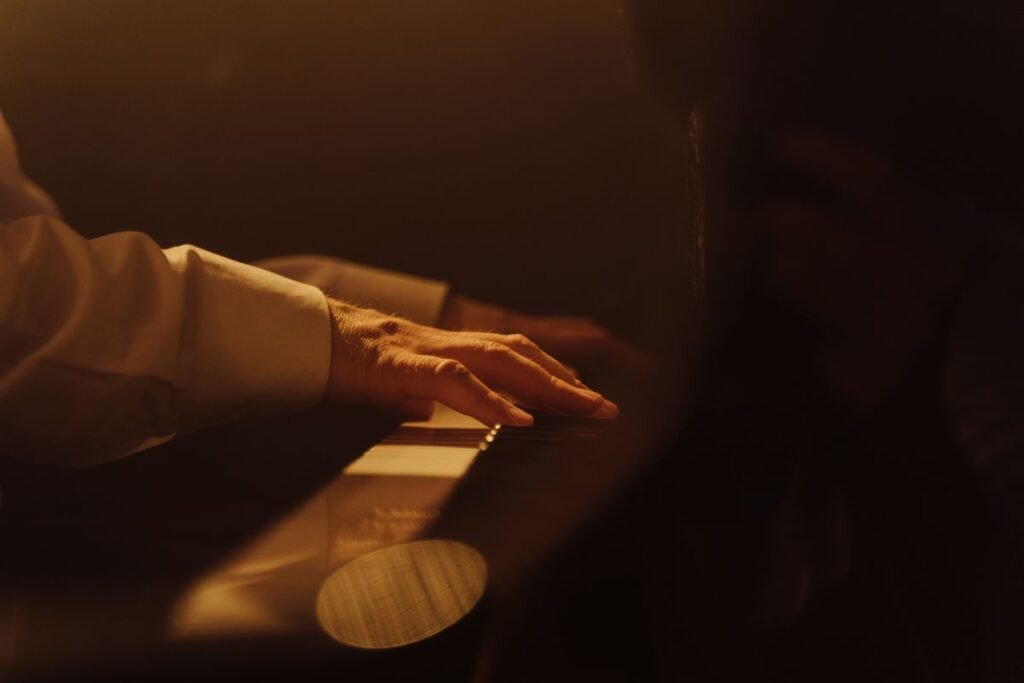
Most real skills use both. Playing the piano involves finger movements (procedural) and reading music (declarative). Speaking a language involves vocabulary and grammar (declarative) and the rhythm and feel of speaking (closer to procedural).
What Happens to Forgotten Skills Over Time
Muscle Memory Isn’t in Your Muscles
“Muscle memory” is a handy phrase, but your muscles don’t store anything. The memory is in the brain pathways that control those muscles. When you stop practicing, those pathways get less use, and the skill becomes less smooth and automatic.
The first thing to go is usually polish, not the skill itself. You still remember the moves, but you have to think about them again, so you’re slower and clumsier. That’s why a skill you haven’t touched in years often feels rusty rather than brand new.
The Forgetting Curve
In the 1880s, German psychologist Hermann Ebbinghaus tested his own memory by learning lists of nonsense syllables and measuring how much he forgot over time. He found that forgetting is fastest soon after learning, then slows down. What survives the first stretch tends to stay more stable. This pattern is called the forgetting curve.
Ebbinghaus also noticed something encouraging. Even when he couldn’t recall a list at all, relearning it took less time than learning it the first time. He called this “savings.” It’s the strongest evidence that forgotten skills leave something behind.
Skills Can Survive Even When Memories Don’t
One of the most famous cases in psychology shows how separate these systems are. A patient known as H.M. couldn’t form new long-term memories after brain surgery. Yet when psychologist Brenda Milner taught him a tricky mirror-drawing task, he got better at it day after day, while having no memory of ever practicing.
His procedural memory kept learning even though his declarative memory couldn’t. Your body really can remember what your mind forgets.
Why Some Skills Stick and Others Vanish
Several things affect how well a skill survives time off:
- How much you practiced. A skill practiced long past the point of “good enough” lasts much longer. Psychologists call this overlearning.
- How automatic it became. Skills you can do without thinking, like riding a bike, tend to last better than skills that need constant decisions.
- Continuous vs. step-by-step skills. Smooth, flowing skills like swimming or cycling are often retained better than skills made of many separate steps, like a complicated procedure.
- How you learned it. Spreading practice out over time gives longer-lasting results than cramming.
- Sleep. Your brain strengthens new skills during sleep. People often perform a newly practiced skill better after a night’s sleep than at the end of practice.
Why Languages Fade Faster Than Bike Riding
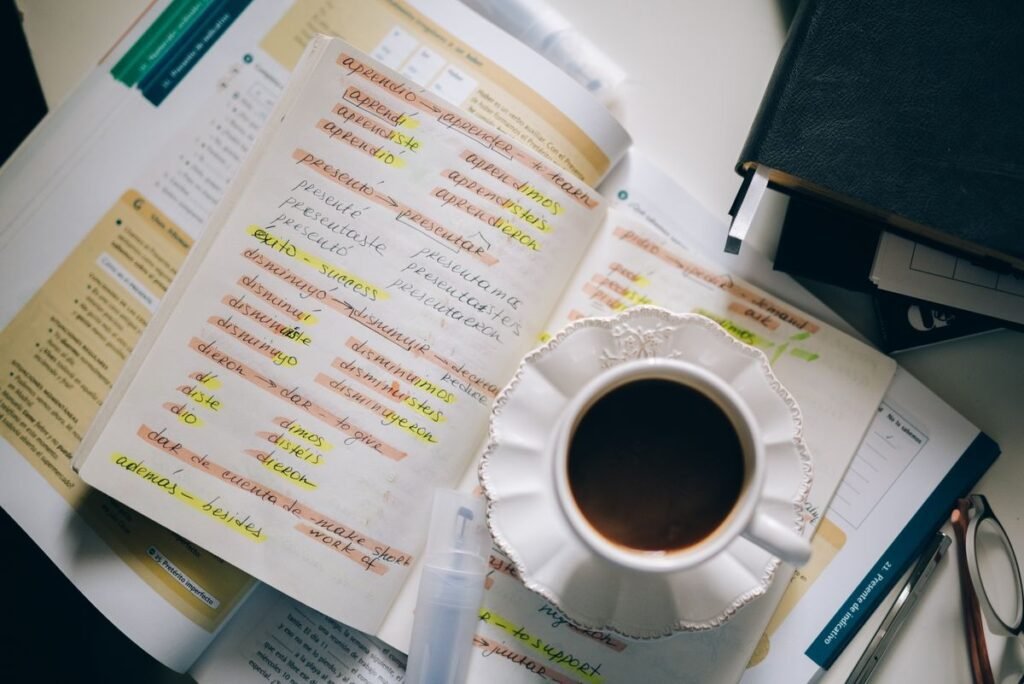
A second language depends heavily on vocabulary and grammar, which are declarative and fade without use. That’s why many adults remember only bits of a school language.
But the parts that are closer to procedural, like pronunciation and the feel of the language, often last longer. Many people find a language comes back faster than expected once they start using it again. That’s the savings effect in action.
How to Relearn a Forgotten Skill Faster
- Just start. The first sessions feel awkward, but that’s when most of the skill comes back.
- Go back to the original setting. Using the same instrument, court or textbook gives your brain familiar cues. This is the same reason returning to a room helps you remember what you were thinking.
- Practice little and often. Short, regular sessions beat one long session.
- Test yourself. For knowledge-based skills, try to recall before looking things up. Retrieval is what rebuilds the memory.
- Sleep after practice. Give your brain the chance to lock in what you’ve relearned.
- Expect a quick early jump. Rapid improvement in the first few sessions is normal and motivating.
How to Stop Skills Fading in the First Place
- Practice a skill well past the point where you can just about do it.
- Use it occasionally, even briefly. A few minutes every few weeks helps.
- Space out your learning instead of cramming.
- Teach someone else. Explaining a skill strengthens it.
Skills aren’t the only things your brain holds onto or lets go of. Names are notoriously hard to keep, as explained in our article on why you forget names so fast.
Frequently Asked Questions
Do forgotten skills ever disappear completely?
Rarely, for well-practiced skills. In most cases, something remains, and relearning is faster than starting from zero. Skills you only practiced briefly can fade much more thoroughly.
Why can I still ride a bike but not speak the language I studied?
Riding a bike relies mainly on procedural memory, which holds on well. Language relies heavily on vocabulary and grammar, which are declarative and fade faster without use.
Does age affect forgotten skills?
Older adults may need more practice to relearn complex skills, but well-learned physical skills are often kept surprisingly well into later life.
Can you forget a skill you use every day?
It’s unusual, but learning a similar new skill can interfere with an old one for a while. Musicians switching instruments, for example, can find their original technique feels off at first. Overthinking a well-practiced movement can also make it worse, which athletes sometimes call “paralysis by analysis.”
The Bottom Line
Forgotten skills are usually hidden, not gone. Physical skills hold on longest, while fact-based skills fade faster, but in both cases relearning beats starting over. If there’s a skill you’ve been missing, pick it up again. It will probably come back sooner than you expect. And if you’re a surfer, it’s worth knowing the real reasons sharks bite surfers before you head back out.