What If We Had a New Human Sense? 7 Things That Would Change
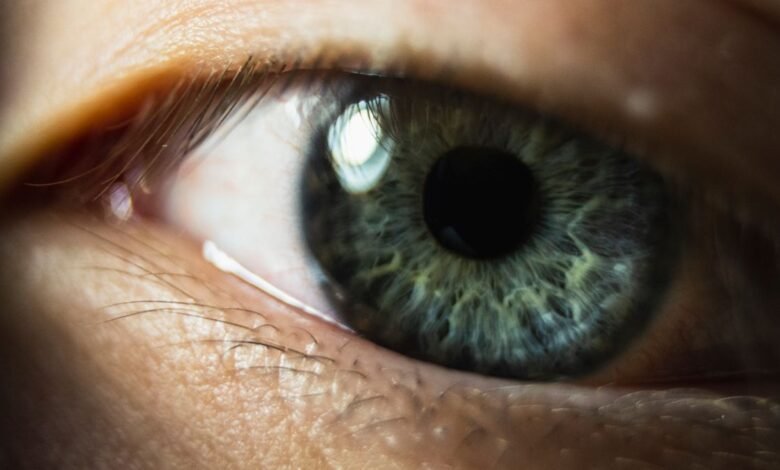
If we gained a new human sense, like feeling magnetic fields or seeing ultraviolet light, the brain would probably find it confusing at first, then learn to use it surprisingly fast. Experiments with “sensory substitution” devices show that the brain can learn to make sense of new kinds of input within days to weeks. Over time, a new sense would change how we talk, what we notice, and even how we experience the world.
This isn’t pure science fiction. People are already experimenting with extra senses using technology. Here’s what we know, and what would likely happen.
We Already Have More Than Five Senses
The classic list of sight, hearing, smell, taste and touch leaves a lot out. Scientists also count senses like:
- Proprioception: knowing where your body parts are without looking
- Balance (the vestibular sense): knowing which way is up and when you’re moving
- Thermoception: sensing heat and cold
- Nociception: sensing pain
- Interoception: sensing what’s happening inside your body, like hunger, thirst and your heartbeat
Depending on how you count, humans have somewhere around 9 to 21 or more senses. So in a way, we’ve already got “extra” senses we rarely think about.
Senses Other Animals Have That We Don’t
Every animal lives in its own sensory world. Biologist Jakob von Uexküll called this an animal’s umwelt. Some examples:
| Animal | Sense we don’t have |
|---|---|
| Sharks and rays | Electroreception: detecting the tiny electrical fields of living creatures |
| Many birds and sea turtles | Magnetoreception: sensing Earth’s magnetic field to navigate |
| Bees and many birds | Seeing ultraviolet light |
| Pit vipers | Sensing infrared heat from warm-blooded prey |
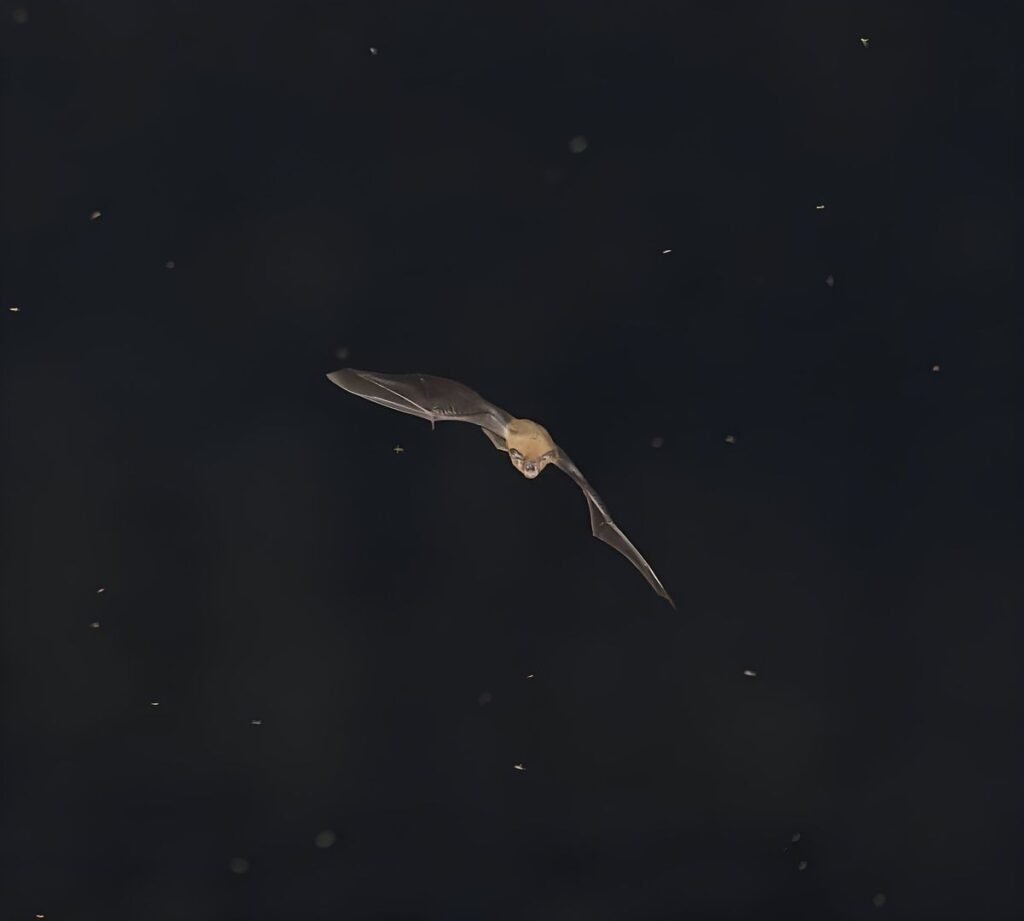
| Bats and dolphins | Echolocation: “seeing” with sound |
| Mantis shrimp | Around 12 to 16 types of light receptors, compared with our 3 |
Sharks use electroreception to find prey up close, which helps explain why sharks sometimes bite surfers. Bees see ultraviolet patterns on flowers that are invisible to us, and they share what they find through the waggle dance.

What Would Happen With a New Human Sense
1. At First, It Would Feel Confusing
Your brain constantly predicts what’s around you based on the senses it knows. A brand-new stream of information wouldn’t fit any of its existing patterns. At first, the new sense might feel like noise: a strange buzz, tingle or pressure with no clear meaning.
Something similar happens to people who gain sight later in life, for example after surgery for cataracts present from birth. Seeing doesn’t instantly make sense. They have to learn to recognize shapes, distances and faces, often over months.
2. Then the Brain Would Learn to Use It
The brain is remarkably adaptable. This ability is called neuroplasticity. It doesn’t much care which “channel” information arrives on. It looks for patterns.
Researchers have shown this through sensory substitution:
- In the 1960s, scientist Paul Bach-y-Rita built devices that turned camera images into patterns of touch. Blind participants learned to recognize objects with them.
- Neuroscientist David Eagleman and colleagues developed a vest, later a wristband, that turns sound into vibrations on the skin. It’s designed to help deaf people perceive sound through touch.
- Researchers have tested belts that vibrate on the side facing north. Some long-term wearers reported that their sense of direction and space changed.
Over time, many users stop consciously “decoding” the signals and simply experience them. That’s the moment a device starts to feel like a sense.
3. Language Would Need New Words
Words for senses only work because we share the experience. You can describe “blue” because other people see blue too. If a new sense appeared, we’d have no words for its sensations. Early users would rely on comparisons (“it feels a bit like pressure, but directional”), and new vocabulary would slowly emerge.
4. People Would Notice Different Things
A new sense would change what grabs attention. Someone with magnetoreception might always know which way is north. Someone with electroreception might notice hidden wiring or a nearby animal. Over time, art, design and daily habits could adapt around what people can perceive.
5. Emotions Would Attach to It
Many emotional memories are tied to senses. Smells are especially powerful: a scent can bring back a feeling from years ago, which is also why coffee smells better than it tastes to so many people. A new sense would gain its own emotional associations. Certain sensations might become comforting, others unsettling.
6. It Could Create New Inequalities
If a new sense came from expensive technology or a rare genetic change, some people would perceive things others couldn’t. That could create advantages in jobs, sports or safety, and raise difficult questions about fairness and access.
7. It Would Change How We Think About Reality
Philosopher Thomas Nagel’s famous 1974 essay “What Is It Like to Be a Bat?” asks whether we could ever truly know what echolocation feels like from the inside. A new human sense would show us, in a very direct way, how much of reality we normally miss, simply because we have no way to perceive it.
Are There People With Extra Senses Today?
In a way, yes:
- Neil Harbisson, an artist born with a rare form of complete color blindness, has an antenna implanted in his skull that turns colors into vibrations he hears through his bones. He says it also lets him perceive infrared and ultraviolet.
- Some blind people use echolocation, clicking their tongue and listening to the echoes to sense their surroundings.
- People with synesthesia experience one sense through another, such as seeing colors when they hear music.
Frequently Asked Questions
Could genetic engineering give humans a new sense?
Not anytime soon. Adding a new type of sensor to the body and connecting it properly to the brain is a huge challenge. Wearable or implanted technology is a much more realistic route for now.
What would be the most useful new sense?
Many people suggest magnetoreception, an internal compass, because it would make navigation effortless. Others pick infrared vision for seeing in the dark, or electroreception for detecting hidden electrical activity.
How long would it take to adapt to a new sense?
Research on sensory substitution suggests that basic use can be learned in days to weeks. Making it feel completely natural would likely take much longer. Children would probably adapt faster than adults.
Do humans have a “sixth sense”?
We already have more than five senses, including balance and body position. A mysterious “sixth sense” for predicting the future, though, isn’t supported by scientific evidence.
The Bottom Line
A new human sense would start out as confusing noise, then become a natural part of how we experience the world, thanks to the brain’s ability to adapt. Technology is already giving a few people a taste of this. And it’s a reminder that our view of reality is shaped, and limited, by the senses we happen to have. For more about how your brain shapes what you feel, read why your mood can change for no reason.