7 Reasons Why Sharks Attack Surfboards
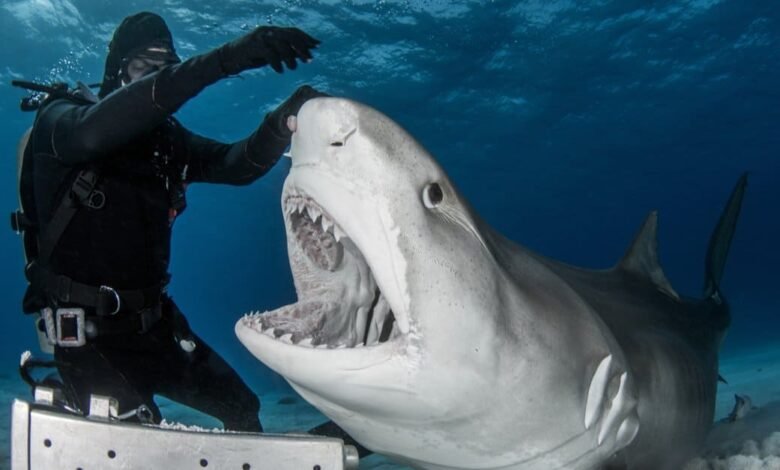
The question of why sharks attack surfboards has haunted surfers, beachgoers, and curious night owls for decades. You’re floating out there on a fiberglass plank, salt water dripping off your nose, and somewhere beneath you is a creature that has been perfecting its hunting skills for 450 million years. So what exactly is going through a shark’s ancient, predator brain when it sees your board? Spoiler: it probably isn’t personal. But that doesn’t make it any less terrifying.
Shark attacks on surfers are actually surprisingly rare given how many people hit the waves every single day. However, surfers do make up a significant percentage of shark attack victims globally. Understanding why sharks attack surfboards isn’t just a cool 3am rabbit hole — it could genuinely save lives. Let’s break down the seven most compelling, science-backed reasons this happens.
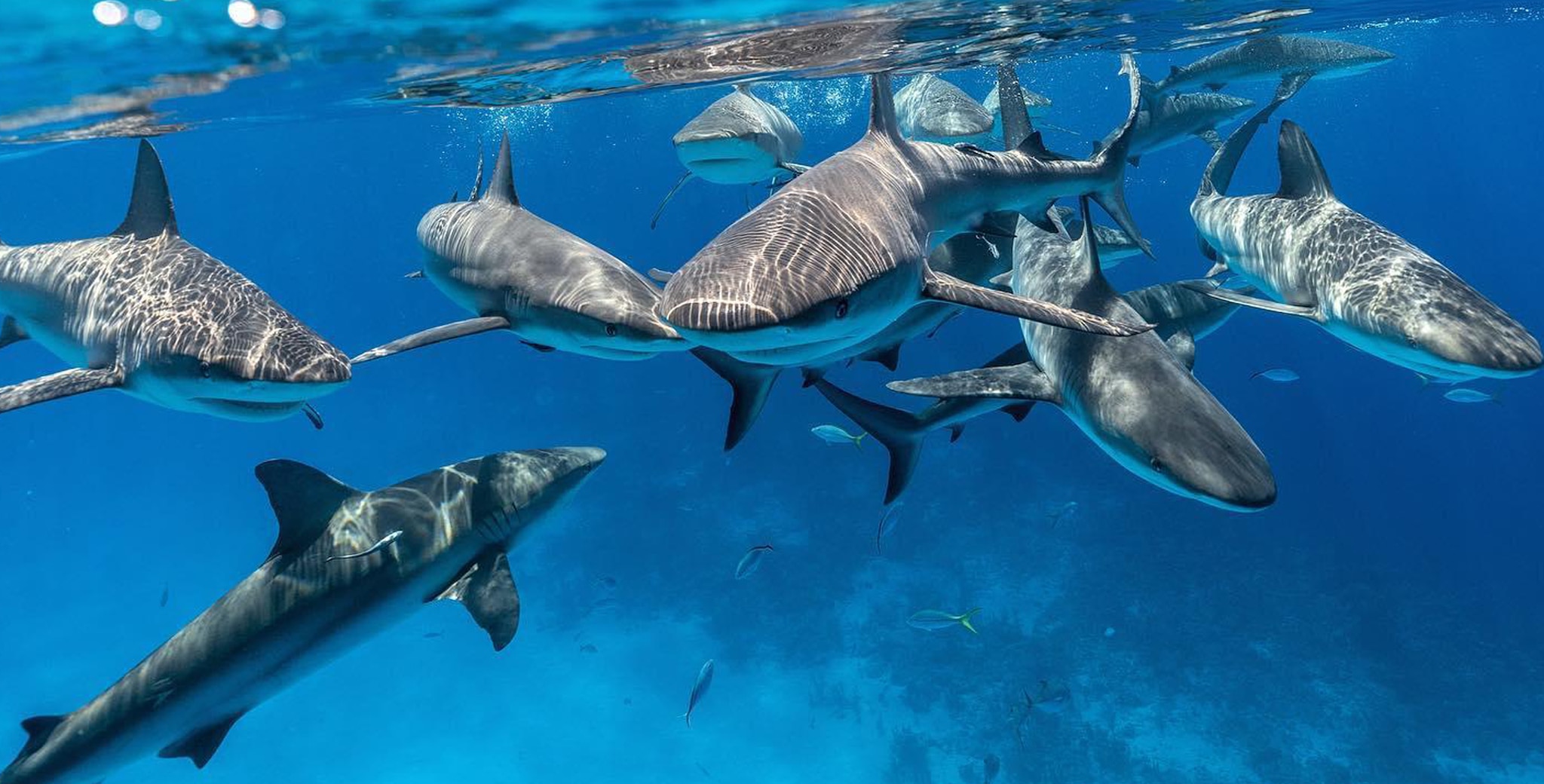
7 Key Reasons Sharks Attack Surfboards
1. The Mistaken Identity Problem
This is the big one. The most widely accepted explanation for why sharks attack surfboards is that they simply mistake them for something they actually want to eat. From below the surface, a surfer lying on a board looks almost identical to a sea turtle or a seal — two of a shark’s favorite snacks. The silhouette is eerily similar: a rounded body, four limbs dangling off the sides, slow movement through the water.
Great white sharks, in particular, are known for their “sample bite” feeding strategy. They’ll hit an unfamiliar object once, realize it isn’t the fatty, calorie-dense prey they were hoping for, and move on. This is actually why most shark attack survivors live to tell the tale — the shark decided you weren’t worth finishing. Comforting? Not really. But scientifically fascinating.
Meanwhile, the angle of sunlight filtering through the water distorts shapes and colors even further. A shark swimming 20 feet below you isn’t getting a crystal-clear HD view. It’s working with blurry, shadowy information and making a split-second decision. Sometimes that decision is catastrophically wrong — for both parties involved.
2. Electrical Signal Confusion
Sharks possess a truly extraordinary sensory organ called the ampullae of Lorenzini — tiny pores clustered around their snout that detect the faint electrical fields produced by living creatures. Every muscle movement, every heartbeat, every nervous twitch creates a small electrical signal. Sharks can detect fields as weak as one-billionth of a volt per centimeter. That’s basically a superpower.
Here’s the problem: surfboards with metal components — fins, screws, leash plugs — can produce their own weak electromagnetic fields, especially in salt water. This can confuse or attract sharks that are already in hunting mode. Even the body itself, moving through water on a board, creates electrical signals that a shark’s hyper-sensitive snout might interpret as “interesting.” So your board might literally be sending the wrong signals into the deep.
Why Sharks Attack Surfboards More Than Swimmers
This feels counterintuitive, right? Swimmers are fully in the water, splashing around like injured animals. Yet sharks attack surfboards and their riders at a disproportionately high rate compared to swimmers. The answer comes down to a combination of location, behavior, and — unfortunately — optics.
Surfers spend a lot of time in the “impact zone” and near break points where fish congregate. These are the same areas where sharks like to hunt. Additionally, surfers paddle with an irregular, splash-heavy motion that mimics the movement of distressed prey. A struggling fish or injured seal moves exactly like that — jerky, erratic, splashy. You’ve essentially been doing a very convincing impression of something’s dinner without knowing it.
Furthermore, surfboards keep riders at the surface for extended periods. Sharks that hunt near the surface, like bull sharks and great whites, are therefore much more likely to encounter a surfer than a scuba diver, for instance, who is submerged and moving differently. According to Wikipedia Science, the systematic study of animal behavior and sensory biology has helped researchers understand predator-prey dynamics in ways that directly apply to human-ocean interactions like this one.
Additionally, surfers often surf at dawn and dusk — the exact hours sharks are most actively feeding. Low light conditions reduce visibility for everyone, including the shark. This feeding window, combined with the silhouette confusion, creates a perfect storm for accidental encounters.
[INLINE_IMAGE]
The Role of Curiosity in Shark Behavior
Not every shark encounter is about hunger. Sharks are actually curious animals — a fact that surprises most people who picture them purely as mindless eating machines. Younger sharks in particular are known to investigate unfamiliar objects in their environment. A brightly colored surfboard is a genuinely novel thing in an ocean where most objects are predictable.
This investigative behavior is sometimes called an “exploratory bite.” The shark isn’t attacking in a predatory sense — it’s essentially sniffing something with its mouth, which is unfortunately the only really effective tool it has for close-up examination. Sharks don’t have hands. They can’t pick up a surfboard and turn it over. A bite is their version of poking something with a stick to see what happens.
Surfboard colors and patterns can dramatically increase or decrease this curiosity. Research from the Shark Research Institute has shown that high-contrast colors — particularly yellow, which has been nicknamed “yum-yum yellow” by divers for decades — appear to attract more shark attention. Reflective surfaces can also mimic the flash of fish scales, sending an inadvertent “come investigate me” signal into the water column.
Therefore, the design of your surfboard isn’t just an aesthetic choice. It might be a survival choice. Newer surfboard designs are actually experimenting with disruptive patterns meant to confuse shark vision and reduce the likelihood of an investigative bite.
Territorial Behavior and Stress Responses
Some shark species are deeply territorial, and surfers entering certain areas may be triggering a defensive response rather than a predatory one. Bull sharks, which are responsible for a large number of inshore attacks, are notoriously aggressive about their space. Unlike great whites that tend to hit and release, bull sharks may press an attack more persistently — and they thrive in shallow, warm waters where surfers love to hang out.
When a shark feels cornered or threatened, it may display warning signs — arching its back, dropping its pectoral fins, swimming in tight, agitated circles. Most surfers don’t know to look for these signals. By the time the shark has decided to act defensively, there’s very little warning. The shallow, churned-up water near surf breaks is actually prime bull shark territory, which is a genuinely unsettling thought to have at 3am.
Additionally, overfishing in certain regions has depleted the natural prey of coastal sharks. A hungry shark with fewer options is statistically more likely to take risks it otherwise wouldn’t. This environmental pressure pushes sharks closer to shore and closer to human activity, increasing the probability of encounters that end badly for everyone involved.
Meanwhile, increased ocean tourism and surf culture means more humans in the water than ever before. The ocean hasn’t gotten bigger. The sharks haven’t moved. We’ve simply moved into their space in greater numbers, and occasional conflict is the result. It’s less about sharks suddenly becoming aggressive and more about overlap increasing over time.
Frequently Asked Questions About Sharks Attacking Surfboards
Do sharks actually target surfers specifically?
No — sharks do not deliberately hunt humans or surfers. Most incidents involving sharks attack surfboards and their riders are cases of mistaken identity or curiosity. Sharks prefer high-fat prey like seals, and humans simply don’t fit that profile. The frequency of encounters has more to do with shared habitat than predatory intent.
What surfboard colors attract sharks the most?
High-contrast colors, especially bright yellows and whites, appear to attract more shark curiosity. Some researchers believe these colors mimic the flash of fish scales. Reflective surfaces can also trigger interest. Darker, more muted boards may be less likely to draw an investigative approach, though no color is a guaranteed deterrent against a curious shark.
What time of day are shark attacks most common?
Sharks are most active during feeding hours at dawn, dusk, and nighttime. These low-light periods reduce visibility and overlap with peak hunting behavior. Surfers who paddle out early in the morning or at sunset are entering the water precisely when sharks are most likely to be actively hunting and more prone to mistaking objects for prey.
Are shark attacks on surfers increasing?
Global shark attack data does show a gradual upward trend, but researchers attribute this largely to more people surfing worldwide rather than sharks becoming more aggressive. When you account for the sheer number of ocean users each year, the actual per-capita risk remains extremely low. Your odds of being attacked are astronomically small compared to other ocean risks.
Can surfboard technology reduce shark attacks?
Yes — researchers are actively developing solutions. Some surfers use electromagnetic deterrent devices attached to their boards that emit fields irritating to sharks’ sensory organs. Disruptive color patterns and fin designs are also being studied. While no technology is foolproof, these innovations represent a promising step forward in reducing accidental encounters between sharks and surfers.
Final Thoughts
Understanding why sharks attack surfboards ultimately comes down to this: we’ve entered a world that operates on senses and instincts we can barely imagine. Sharks aren’t villains. They’re ancient, highly adapted predators doing exactly what they evolved to do — and we happen to look confusingly like their lunch sometimes. The more we learn about why sharks attack surfboards, the better we can design around that conflict and coexist with the ocean’s most misunderstood residents. Respect the water, know the risks, and maybe reconsider that bright yellow board.