Still Hungry After Eating? 7 Common Reasons and Simple Fixes
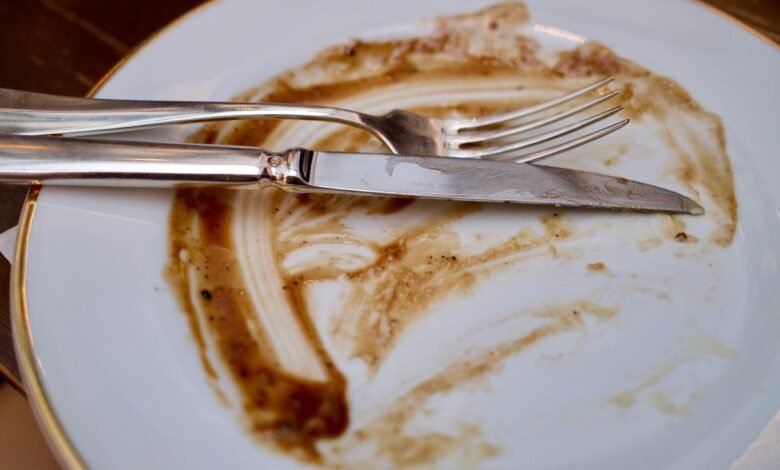
If you’re still hungry after eating a full meal, the cause is usually simple: you ate faster than your fullness signals can travel, or your meal was low in protein and fiber. Less often, poor sleep, stress, or plain habit is sending a “hungry” message your stomach never asked for.
The good news is that most of these causes are easy to fix once you know which one is behind your hunger. Below are the seven most common reasons, how to tell them apart, and what to do about each one.
Quick Answer: The 7 Main Reasons at a Glance
| Reason | What’s happening | Quick fix |
|---|---|---|
| Eating too fast | Fullness signals haven’t reached your brain yet | Slow down and wait before seconds |
| Low protein and fiber | The meal digests quickly and doesn’t keep you satisfied | Add protein, vegetables, beans or whole grains |
| Ultra-processed food | Food designed to be easy to overeat | Build meals around whole foods |
| Liquid calories | Drinks fill you up less than solid food | Eat your calories instead of drinking them |
| Poor sleep or stress | Hunger hormones get out of balance | Protect your sleep, manage stress |
| Distracted eating | Your brain doesn’t fully register the meal | Eat without screens when you can |
| Habit, boredom or emotion | Hunger comes from your head, not your stomach | Pause and check what you really need |
Why You’re Still Hungry After Eating: 7 Common Reasons
1. You Ate Faster Than Your Fullness Signals Travel
Your brain doesn’t know you’re full the moment you put your fork down. Fullness signals from your stomach and gut take time to arrive. A figure of around 20 minutes is often quoted.
The main route for these signals is the vagus nerve, which connects your brainstem to your digestive system. Hormones released by your gut during a meal also travel to the brain through the blood.
If you finish a plate in ten minutes, your stomach may be full while your brain still thinks the meal is in progress, so you end up still hungry after eating. That gap is why you can feel hollow right after a big dinner, then uncomfortably full half an hour later.
What helps:
- Put your fork down between bites.
- Chew each mouthful properly. It slows you down and gives your brain more taste and texture cues.
- Wait 15 to 20 minutes before going back for seconds.
2. Your Meal Was Low in Protein and Fiber
Protein and fiber are the two parts of a meal that keep you full the longest. A plate that’s mostly refined carbohydrates, like white pasta, white bread or sugary cereal, digests quickly.
Meals like this can raise your blood sugar fast and then let it drop. When it falls, your body can read the drop as a signal to eat again, even though you had plenty of calories an hour ago.
Compare two dinners with similar calories:
- Big bowl of plain white pasta: digests fast, little protein, very little fiber.
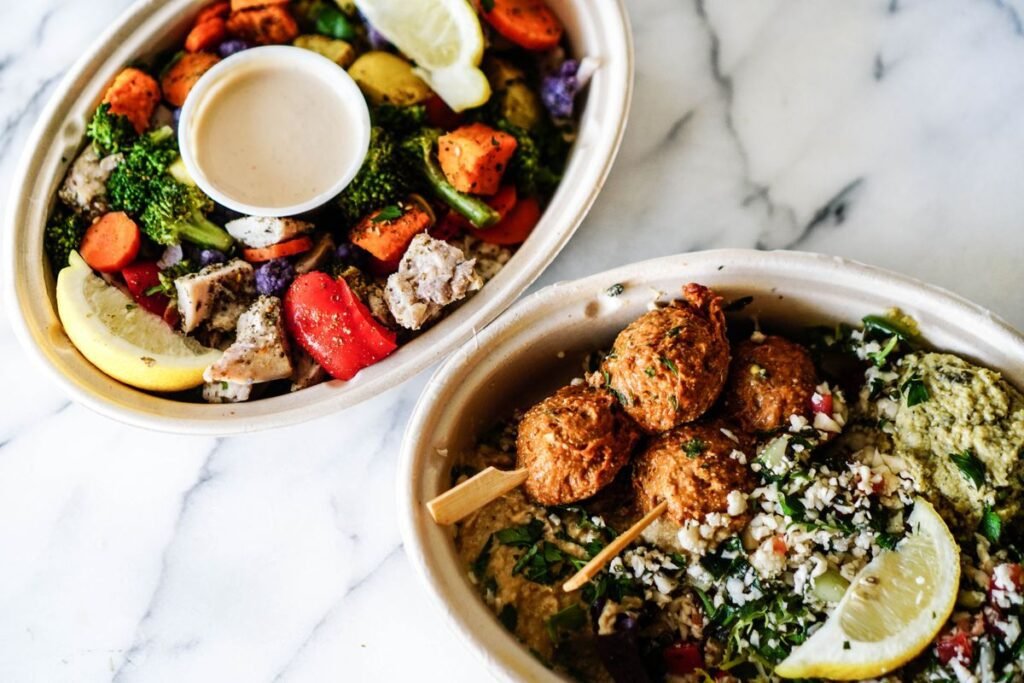
- Smaller bowl of pasta with chicken, beans and vegetables: slower to digest, more protein, more fiber.
The second one will usually keep you satisfied for much longer.
If you’re curious about how specific minerals affect blood sugar, our guide to chromium-rich foods and blood sugar covers one of the lesser-known ones.
3. Ultra-Processed Food Overrode Your Fullness Signals
Many packaged snacks are designed around what the food industry calls the “bliss point”: the mix of sugar, fat and salt that makes a food as appealing as possible. These foods are easy to eat quickly and easy to keep eating.
A small 2019 study at the US National Institutes of Health found that people ate noticeably more calories per day on an ultra-processed diet than on a minimally processed one, even though both diets were matched for nutrients and the participants could eat as much as they wanted.
You don’t need to avoid these foods completely. Just know that a meal built around them is more likely to leave you reaching for more.
4. You Drank Your Calories
Juice, soda, sweet coffee drinks and even smoothies tend to fill you up less than the same calories eaten as solid food. Chewing and the slower pace of eating are part of how your body registers a meal.
A large smoothie for breakfast can feel like a full meal while you drink it and leave you hungry soon after. Eating the whole fruit, with a source of protein like yogurt or eggs, usually lasts longer.
Smell and taste play a part too. Your brain uses them to judge a meal, which is the same reason coffee smells better than it tastes to so many people.
5. Poor Sleep or Stress Threw Off Your Hunger Hormones
Two hormones do most of the work of controlling appetite:
- Ghrelin is made mainly in your stomach. It rises before meals and tells your brain it’s time to eat, then normally falls after you eat.
- Leptin is made by fat cells. It tells your brain how much energy your body has stored. When the brain stops responding to it properly, a state called leptin resistance, you can feel hungry even when you have plenty of energy.
Short sleep has been linked in studies to lower leptin and higher ghrelin, which is why you may feel hungrier than usual after a bad night. Ongoing stress raises cortisol, which can also push appetite up. In both cases you can feel hungry right after a normal meal, because your hormones are sending a different message from your stomach.
Hormones and brain chemistry affect your mood in similar ways. If that sounds familiar, read about why your mood changes for no reason.
6. You Ate While Distracted
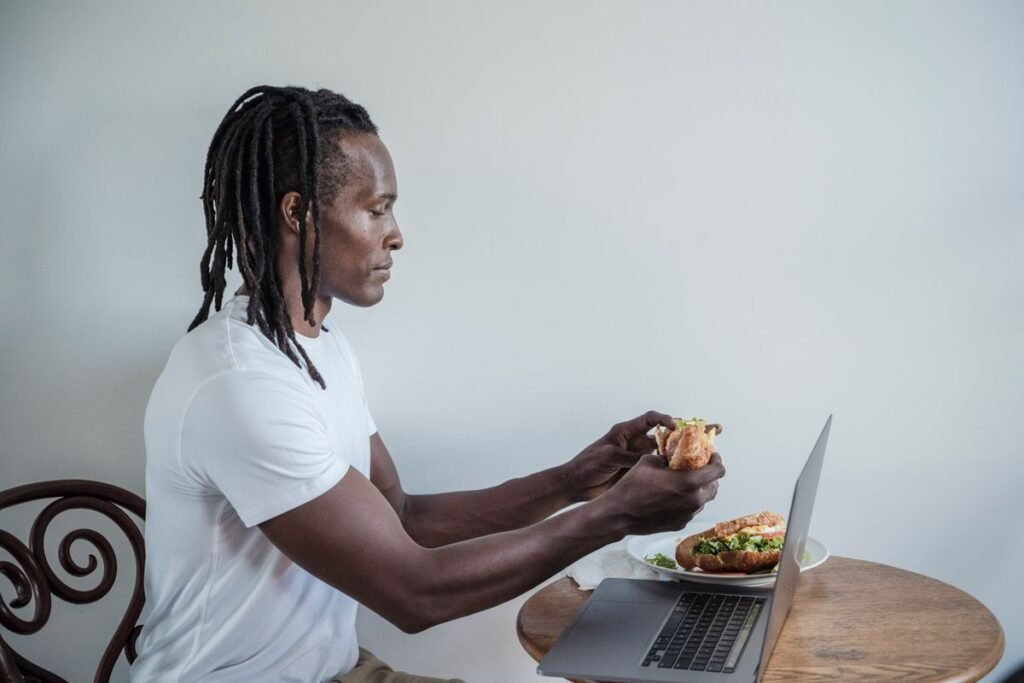
Eating in front of the TV, scrolling your phone, or working through lunch makes it harder for your brain to register that you’ve eaten. You remember the meal less clearly, and you may feel ready for more food sooner.
Distraction affects attention and memory in many ways. The same thing explains why you lose your train of thought when you’re juggling too much at once.
You don’t have to eat every meal in silence. Even putting the phone away for the first few minutes helps.
7. It’s Habit, Boredom or Emotion, Not Your Stomach
Your brain learns patterns. If you always have a snack after dinner, you’ll start to feel “hungry” at that time whether you need food or not. This is a form of conditioned response, the same kind of learning behind Pavlov’s famous experiments with dogs.
Stress, sadness, anxiety and boredom can also feel a lot like hunger. Eating is rewarding, so your brain learns that food brings quick relief.
A simple test: ask yourself whether a plain, filling food like an apple or a boiled egg sounds good. If it does, you’re probably physically hungry. If only something specific like chocolate or chips will do, the urge is more likely emotional or habitual.
How to Stop Feeling Hungry After Meals
If you’re often still hungry after eating, try these steps one at a time to find what works for you:
- Slow down. Aim to make your meal last at least 15 to 20 minutes.
- Start with protein and vegetables. Eggs, fish, chicken, tofu, beans, lentils and Greek yogurt are all good choices.
- Add fiber. Choose whole grains, beans, vegetables and whole fruit over refined versions.
- Drink water with your meal. Mild thirst is easy to mistake for hunger.
- Eat at a table, not a screen, at least for part of the meal.
- Wait before seconds. If you’re still hungry after 20 minutes, eat a little more of the protein or vegetables.
- Look after your sleep. A regular bedtime helps keep your hunger hormones in balance.
- Notice the pattern. If the hunger always shows up at the same time or in the same mood, it’s probably habit or emotion.
When to Talk to a Doctor
Feeling hungry after a meal now and then is normal. Speak to a doctor if:
- you feel hungry all the time, no matter what or how much you eat
- the hunger comes with unexplained weight loss, extreme thirst, or needing to urinate much more often
- it started after beginning a new medication
Some medicines, including certain antidepressants and steroids, are known to increase appetite. Never stop a medication on your own; ask your doctor first.
Frequently Asked Questions
Is it normal to be still hungry after eating a full meal?
Yes, it’s common. The usual causes are eating too fast, a meal low in protein and fiber, or habit. On its own, it’s rarely a sign that something is wrong.
How long should I feel full after a meal?
It varies from person to person and from meal to meal. A balanced meal with protein, fiber and some fat generally keeps people satisfied for several hours. If you’re hungry again within an hour, look at what was on your plate first.
Can drinking water stop hunger after eating?
Sometimes. Thirst and hunger can feel similar, so drinking a glass of water and waiting 10 to 15 minutes can help you tell them apart. Water won’t replace a meal that was simply too small, though.
Why am I hungry after eating sugar?
Sugary foods and drinks digest quickly and contain little protein or fiber, so they don’t keep you full for long. Pair sweets with a proper meal instead of eating them on their own.
Does stress make you hungrier?
It can. Long-term stress raises cortisol, which is linked to a bigger appetite and cravings for sugary or fatty foods. Some people lose their appetite under stress instead, so it depends on the person.
The Bottom Line
Most of the time, being still hungry after eating comes down to speed, what was on your plate, or habit, not a problem with your body. Slow down, build meals around protein and fiber, and pay attention to when the hunger shows up. Try one or two changes at a time and you’ll quickly see which reason applies to you.