7 groundwater heavy rain Unexpected Underground Reactions During Heavy Rain
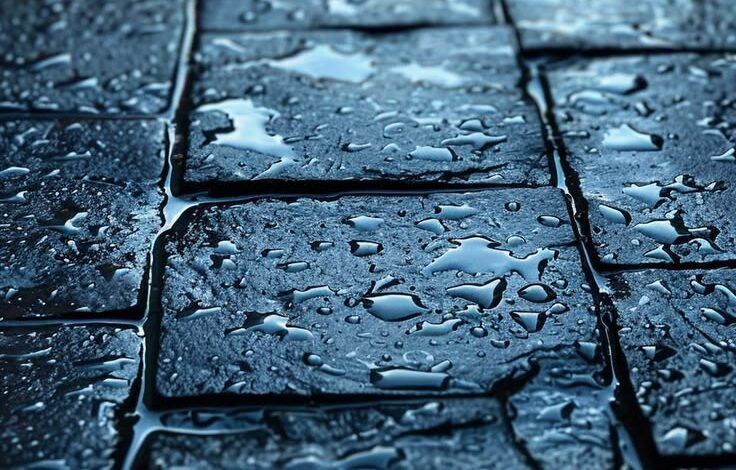
⚡ Did You Know? During extreme rainfall events, groundwater levels can rise by as much as 10 feet in a single day — fast enough to push water up through basement floors and crack foundation walls from below, even miles away from the nearest river or flood zone.
When groundwater heavy rain dynamics collide, something deeply strange happens underground — and almost nobody talks about it.
Most people think of rain as a surface problem. It fills gutters, floods streets, overwhelms storm drains. But the really weird stuff? That happens beneath your feet, in a slow-motion underground world that suddenly gets thrown into chaos when the sky decides it has had enough restraint.
The ground beneath you is not solid. It is a labyrinth of pores, cracks, channels, and saturated zones that behave more like a living sponge than a static rock shelf. When too much rain falls too fast, that sponge hits its limit — and the consequences ripple outward in ways that are genuinely bizarre, surprisingly dangerous, and almost completely invisible to the people standing on the surface wondering why their yard smells weird.
So what actually happens down there? Pull up a chair. It is 3am, and the ground beneath you just got a lot more interesting.
🎯 Key Takeaways
- Groundwater levels can rise dramatically within hours of heavy rainfall, sometimes faster than surface floodwaters.
- When soil reaches full saturation, rain stops infiltrating and becomes surface runoff almost instantly.
- Heavy rain can push pollutants, bacteria, and chemicals deep into underground aquifers that supply drinking water.
- Groundwater pressure changes during heavy rain can cause sinkholes, foundation failures, and even hillside collapses.
- Some aquifers take decades to “feel” a rainstorm — others respond within minutes depending on soil and rock type.
What Actually Happens to Groundwater Heavy Rain Events Trigger Underground
The Underground World Has a Capacity Limit — And Rain Tests It Hard
Picture the ground beneath your feet as a layered system. At the top, you have topsoil — loose, organic, relatively porous. Below that, subsoil. Then various layers of clay, sand, gravel, and eventually bedrock. Water moves through all of it via a process called infiltration, seeping downward under gravity until it hits the water table — the upper boundary of the zone where all those underground pores and cracks are already completely full of water.
Under normal rainfall conditions, this system hums along beautifully. Rain falls, some evaporates, some runs off, and some infiltrates slowly downward, gradually recharging the underground stores. But during groundwater heavy rain events — think sustained downpours, atmospheric rivers, or back-to-back storm systems — the system gets overwhelmed in a matter of hours.
The first thing that happens is the infiltration rate drops to nearly zero. Clay-rich soils can become essentially impermeable within 30 minutes of heavy rain, meaning every additional raindrop that falls has nowhere to go underground and instead becomes surface runoff. Sandy soils last longer, but even they have limits. Once the soil is saturated from surface to water table, the game changes entirely.
What follows is a rapid water table rise. The water table is not a fixed boundary — it is a dynamic surface that moves up and down based on how much water is being added versus how much is draining away. During intense rainfall, the addition side of that equation wins in a landslide. The water table can surge upward by several feet in a single day, sometimes reaching the surface itself. When that happens underground springs bubble up in fields, water seeps through basement walls, and low-lying areas flood not from above but from below — a phenomenon so disorienting that homeowners often cannot figure out where the water is even coming from.
The Role of Soil Type and Bedrock in How Fast Things Go Wrong
Not all ground responds to heavy rain the same way. Sandy and gravelly soils have infiltration rates up to 100 times higher than clay-heavy soils, which means they can absorb rainfall faster — but they also transmit water to the water table faster, causing rapid rises in groundwater levels. Clay soils, paradoxically, resist infiltration initially but can hold enormous amounts of water once fully saturated, leading to prolonged flooding long after the rain has stopped.
Karst landscapes — regions underlain by soluble limestone — are in a category of their own. Water moves through karst systems through caves, sinkholes, and conduit networks at speeds that defy logic. During aquifer recharge events in karst terrain, floodwaters can travel miles underground in hours, carrying everything they pick up along the way.
Aquifer Recharge: When Too Much of a Good Thing Becomes a Problem
Aquifer recharge is supposed to be a good thing. Aquifers — those vast underground reservoirs of water stored in porous rock and sediment — depend on rainfall to replenish what gets pumped out for drinking water, irrigation, and industrial use. In many parts of the world, aquifers are being depleted faster than they recharge, which makes every rainstorm theoretically valuable. But here is where it gets complicated.
When aquifer recharge happens too fast, the water moving underground does not get properly filtered. Under normal slow-infiltration conditions, water passing through soil and rock undergoes a remarkable natural purification process. Bacteria get trapped in soil particles. Chemical contaminants bind to clay minerals. Heavy metals get filtered out. The ground acts as a living, multi-stage water treatment plant, and by the time rain becomes groundwater deep in an aquifer, it is often cleaner than when it started.
Heavy rainfall short-circuits all of that. Rapid infiltration bypasses the biological filtration layer, sending surface water rushing into aquifers before microbes and chemicals can be removed. According to researchers publishing findings through Science Daily, extreme precipitation events are increasingly linked to spikes in groundwater contamination, with E. coli, nitrates from agricultural runoff, and pesticide residues showing up in well water samples taken days after major storms — even from wells that tested clean for years.
This is a growing public health concern that largely flies under the radar. While flood damage is visible and immediately newsworthy, groundwater contamination following heavy rain can take days, weeks, or even months to manifest in well water quality tests — by which point the storm is forgotten and nobody is thinking to check.
The aquifer recharge problem is also uneven. Some recharge zones — areas where the geology allows surface water to enter the aquifer — are highly localized. A single intense storm over a recharge zone can flush enormous quantities of contaminated surface water underground, while an aquifer a few miles away remains completely unaffected. This patchwork nature makes monitoring and managing groundwater quality during heavy rain events genuinely difficult.
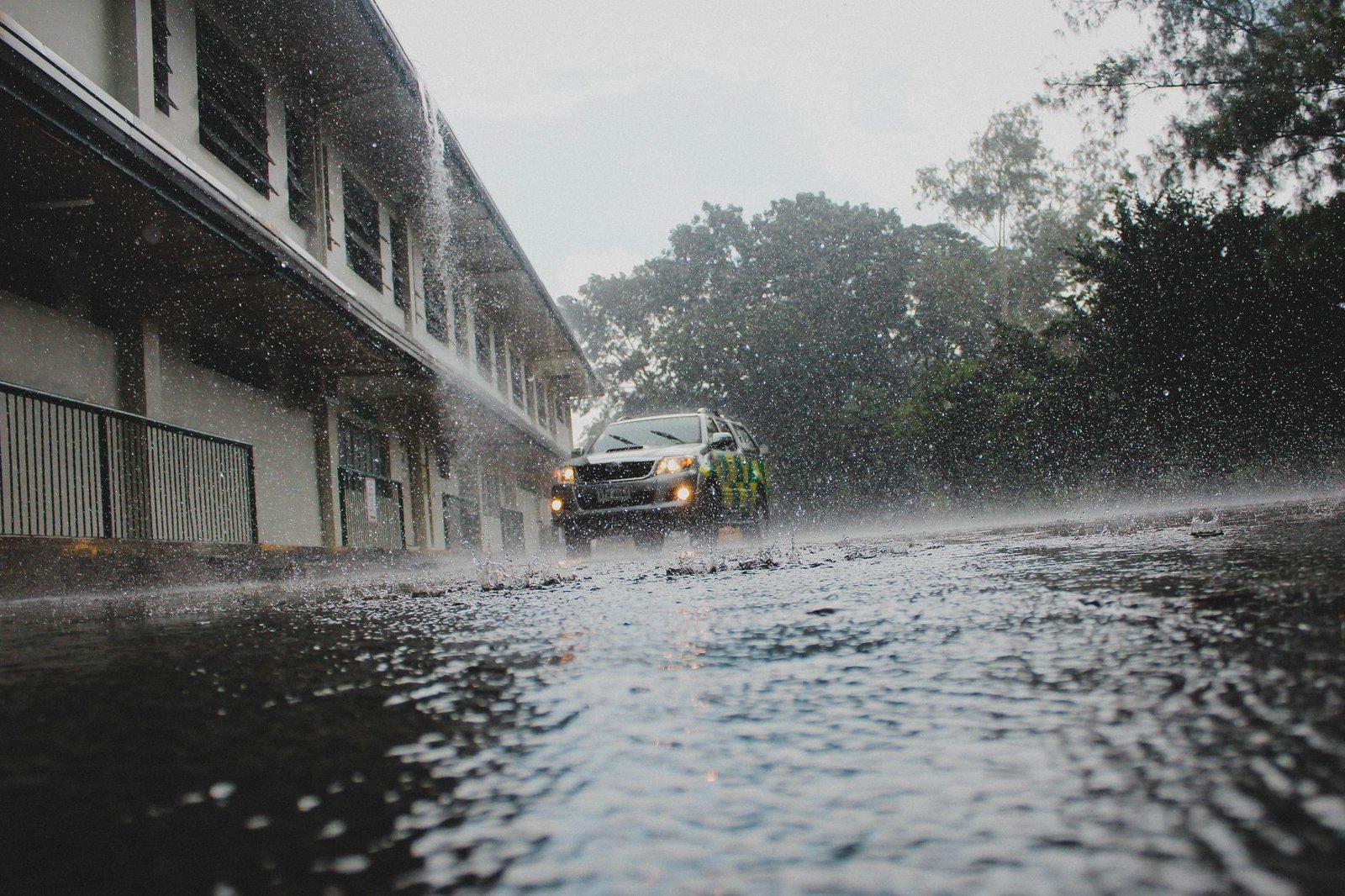
🤔 Wait, Really? In some low-lying coastal areas, heavy inland rainfall can actually cause the water table to rise faster than the ocean tide — meaning groundwater flooding can happen during a storm even in places that are technically above sea level and nowhere near a river or coast. It is called “sunny day flooding from below,” and it is becoming more common as groundwater levels rise globally.
Soil Saturation Flooding: The Flood Nobody Sees Coming
When the Ground Itself Becomes the Flood Source
Standard flood awareness focuses on rivers overflowing their banks, storm surges, and overwhelmed drainage systems. But soil saturation flooding — where the ground itself becomes so waterlogged that it essentially becomes a slow-motion water source — operates by different rules and catches people completely off guard.
When soil reaches full saturation, something called the percolation rate drops to zero. No more water is moving downward. The water table has risen to meet the surface. At this point, every additional raindrop becomes direct runoff — not because the rain is intense, but because there is literally nowhere for it to go. This is why some of the most damaging floods happen during moderate rainfall events that follow weeks of wet weather. The ground is already full. The rain does not need to be extreme to cause extreme flooding.
The hydrological cycle gets thrown into a strange loop during these events. Surface water that would normally infiltrate and recharge groundwater stores over weeks now stays on the surface. Subsurface runoff — water moving laterally through the soil just above the saturated zone — increases dramatically, flowing toward low points at rates that can exceed surface stream flows. This subsurface runoff is essentially invisible to standard flood monitoring systems, which is why flood forecasts sometimes dramatically underestimate how bad things will get.
How Saturated Ground Changes the Physics of Everything Above It
Fully saturated soil loses a significant portion of its structural integrity. The water filling the pore spaces creates what engineers call pore water pressure — an outward force that pushes soil particles apart, reducing friction and making the whole mass behave less like solid ground and more like a very thick liquid.
This is the mechanism behind rain-triggered landslides. It is not the weight of the water alone that causes slopes to fail — it is the way saturated soil loses its shear strength. Clay-rich hillsides can fail on slopes as gentle as 10 degrees when fully saturated. In regions with steep topography and clay-heavy soils — think the hills of California, Japan, or coastal British Columbia — extended heavy rainfall events trigger hundreds of landslides simultaneously. The ground does not just flood. It moves.
Even on flat ground, pore water pressure can lift and crack concrete slabs, pop manhole covers, buckle roads, and cause underground pipes to float upward. Yes — pipes can actually float upward through saturated soil because the buoyancy force of the surrounding waterlogged ground exceeds the weight of the empty pipe. Infrastructure engineers call this “pipe flotation,” and it is a very real and expensive problem following heavy rain events.
Groundwater Contamination During Heavy Rain: The Silent Aftermath
The contamination story does not end with bacteria and nitrates. The chemistry of groundwater contamination following heavy rain events is surprisingly complex, and it involves some interactions that feel almost counterintuitive.
For one thing, heavy rain can actually mobilize contaminants that have been sitting safely immobilized in soil for years. Lead, arsenic, and other heavy metals can be bound to soil particles under normal dry conditions — effectively locked away and harmless. But when the water table rises rapidly and oxygen-depleted water floods previously unsaturated zones, the chemical conditions in the soil change. Oxidation states shift. Metals that were chemically locked suddenly become soluble. They dissolve into the rising groundwater and move. This process, called reductive dissolution, can release naturally occurring arsenic from aquifer sediments during prolonged wet periods — a phenomenon documented in South and Southeast Asia where millions of people depend on shallow groundwater wells.
Septic systems are another major contamination vector during heavy rain. A standard septic system relies on a drain field — a series of perforated pipes buried in gravel that allow treated wastewater to slowly infiltrate into the surrounding soil. When the water table rises to meet the drain field, the system loses its drainage capacity entirely. Wastewater has nowhere to go. It backs up. In some cases, it surfaces in the yard. In other cases, it migrates laterally through saturated soil toward nearby drinking water wells. Approximately 21 million American households use septic systems, many of them in rural areas with shallow water tables — making this a widespread and underappreciated public health issue.
The infiltration rate of rainfall also affects how much dissolved carbon dioxide enters the groundwater system. Rainwater naturally absorbs CO2 from the atmosphere and soil, forming weak carbonic acid. Under normal infiltration conditions, this mild acidity slowly dissolves calcium carbonate from limestone rock — a process that has been carving cave systems for millions of years. During heavy rain events with rapid infiltration, this acidic water enters limestone aquifers in pulses, temporarily increasing the aggressiveness of dissolution. Over geological timescales, this contributes to sinkhole formation. On a human timescale, it can destabilize existing cave systems and contribute to sudden surface collapses — another reason why karst regions see dramatically increased sinkhole activity during and after heavy rain.
Frequently Asked Questions
How quickly does groundwater heavy rain cause water table levels to rise?
It depends dramatically on soil type, geology, and how saturated the ground already is. In sandy or gravelly soils near the surface, groundwater levels can begin rising within hours of heavy rain starting. In areas with shallow water tables that are already near the surface, rises of several feet within 24 hours are well documented. Clay-rich soils respond more slowly initially, but once saturated, they hold water for much longer, causing sustained elevated groundwater levels for days or weeks after the rain stops.
Can heavy rain permanently damage an aquifer?
Rapid recharge events can introduce contaminants that persist in aquifers for years or even decades, especially if the aquifer has low natural flushing rates. Biological contaminants like bacteria are generally filtered out over time, but chemical contaminants including nitrates, pesticides, and heavy metals can linger much longer. In some cases, contamination from a single extreme rainfall event has compromised well water quality for years. Physical damage to aquifer structure from rapid recharge is rare but possible in fragile karst systems.
Why does my basement flood during heavy rain even without a nearby river?
This is almost certainly groundwater pressure rather than surface flooding. When heavy rain raises the water table to the level of your foundation, hydrostatic pressure pushes water through any crack, gap, or porous section in your basement walls or floor. The water is not coming from above — it is coming from the saturated soil surrounding your foundation. This type of flooding is called groundwater intrusion and is particularly common in low-lying areas with high clay content soils that hold water for extended periods after storms.
Does heavy rain always help replenish groundwater supplies?
Not always — and this is one of the great counterintuitive facts of hydrology. When rain falls too fast, most of it becomes surface runoff rather than infiltrating to recharge groundwater. A slow, steady rain of an inch over 12 hours recharges far more groundwater than a violent downpour of the same total amount over one hour. Additionally, if the storm occurs over frozen or already-saturated ground, virtually none of it may infiltrate at all. Aquifer recharge is much more about rain rate than rain total.
Can groundwater rise cause sinkholes during heavy rain?
Yes, and this is more common than most people realize. Sinkholes in limestone (karst) regions are often triggered by heavy rainfall because the acidic water rapidly dissolves subsurface rock, while the rising water table removes the soil material that was filling underground voids. When the cavity becomes large enough and the soil above loses enough cohesion due to saturation, the surface collapses suddenly. Florida, for example, typically sees a spike in sinkhole reports following major rainfall events for exactly this reason.
✅ The Bottom Line
When groundwater heavy rain events overwhelm the soil’s infiltration capacity, the effects underground are far stranger and more dangerous than anything happening on the surface. Aquifers get contaminated, water tables surge upward to meet foundations and drain fields, soil loses its structural integrity and begins to move, and contaminants locked in sediment for decades suddenly go mobile. The rain you can see is dramatic — but the underground story is weirder, slower, and in many ways far more consequential for the people living above it.
Final Thoughts
The next time a storm rolls in and you watch rain sheeting down the window, remember there is an entire invisible drama unfolding beneath your feet. Groundwater heavy rain interactions reshape the underground world in real time — dissolving rock, mobilizing chemicals, lifting infrastructure, and flooding basements from the inside out. We spend a lot of time watching the sky and almost no time thinking about what the sky is doing to the ground. The water table is not some static geological feature. It is alive, reactive, and occasionally quite angry. So here is the question: does knowing what happens underground during a storm change how you think about where you would — or would not — want to build a house?