What Happens to Abandoned Websites? 6 Stages of Website Decay
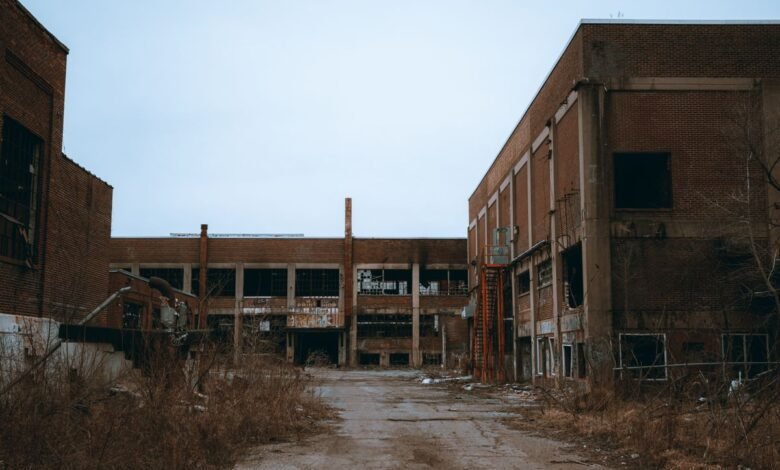
Abandoned websites don’t just sit frozen in time. Without visitors or maintenance, they slowly fall apart. Links break, software goes out of date, security certificates expire, and search engines visit less often. If the hosting bill goes unpaid, the site goes offline. If the domain isn’t renewed, someone else can buy the address and use it for something completely different.
Here’s what happens to a website when everyone stops paying attention, step by step, and what you can do if you own one.
What Happens to Abandoned Websites: The Timeline
| Stage | What happens |
|---|---|
| First months | No new content; search engines crawl the site less often |
| Within a year or two | Links and embedded content start to break; software falls behind on security updates |
| When the certificate expires | Browsers may show security warnings, scaring visitors away |
| When hosting isn’t paid | The site is suspended, then its files may be deleted |
| When the domain expires | After a grace period, the address can be bought by anyone |
Every site is different, but this is the usual pattern.
1. Search Engines Slowly Lose Interest
Search engines like Google use automated programs called crawlers to discover and revisit pages. Sites that rarely change tend to get crawled less often. Abandoned pages can still appear in search results for years, especially for very specific searches. Over time, newer and better-maintained pages usually replace them for popular topics.
2. Link Rot Sets In
Link rot is what happens when links stop working because the pages they point to have moved or disappeared. It affects abandoned websites in two ways:
- Outgoing links break. The sites they linked to change or vanish, leaving visitors with error pages.
- Embedded content disappears. Videos, images, maps, fonts and scripts loaded from other services can stop working, leaving blank boxes and broken layouts.
Link rot is a big problem across the whole web. A 2024 Pew Research Center study found that a large share of web pages that existed in 2013 could no longer be accessed a decade later.

3. Hackers and Spam Bots Move In
This is the most serious risk. Automated bots constantly scan the internet looking for websites running outdated software, like old versions of WordPress, plugins or themes with known security holes.
An abandoned site that hasn’t been updated in years is an easy target. Once compromised, it can be used to:
- host spam pages or fake product listings
- redirect visitors to scams
- send spam emails
- spread malware
Because nobody is checking the site, including the owner, this can go unnoticed for a long time.
4. Security Certificates Expire
Most websites use an SSL/TLS certificate, the thing that gives them “https” and the padlock in your browser. Certificates have to be renewed. Many hosts renew them automatically, but if renewal fails on a neglected site, browsers can show a security warning. Most visitors leave immediately.
5. The Hosting Bill Goes Unpaid
Websites live on servers that cost money. When the hosting bill isn’t paid, the provider usually sends reminders, then suspends the account. The site goes offline. After a period that varies by provider, the files may be permanently deleted. Unless someone kept a backup, years of content can disappear.
6. The Domain Expires and Gets a New Owner
The domain name, the web address, is registered separately and must be renewed, usually every one to several years. When it expires:
- Grace period: the owner can usually still renew normally.
- Redemption period: for many common domain endings, there’s a further window, often around 30 days, when the owner can reclaim it for an extra fee.
- Release: the domain becomes available to anyone.
Specialized services watch for expiring domains and buy valuable ones the moment they’re released. Some buyers want a short, memorable name. Others buy old domains that used to get traffic and links, hoping to benefit from the site’s old reputation.
Google has said that buying expired domains and filling them with low-value content to manipulate search rankings counts as spam, called “expired domain abuse,” and it can take action against it.

Where Abandoned Websites Live On
Some websites survive in archives. The Wayback Machine, run by the nonprofit Internet Archive, has been saving copies of web pages since 1996. You can type in an old address and often see how a site looked years ago, even if it’s long gone from the live web.
Archives can’t save everything, though. Pages behind logins, sites that blocked archiving, and pages the crawlers never found may vanish without a trace.
Old websites are a bit like other digital leftovers, such as old game save files or unread notifications: they quietly linger until something deletes them.
If You Own a Website You No Longer Use
You have three sensible options:
- Keep it, but maintain it. Update the software, plugins and themes regularly, renew the domain, and check it occasionally. Even a quick check every few months helps.
- Archive it and shut it down. Make a full backup, save a copy to the Wayback Machine, then close the hosting account deliberately.
- Redirect it. If you have a newer site, redirect the old domain there and keep renewing it so nobody else can grab it.
Whatever you choose, don’t simply forget about it. A forgotten site with your name on it can end up serving spam or scams.
Frequently Asked Questions
Do abandoned websites still cost money?
Yes, as long as the hosting and domain are active, the owner keeps paying, often through automatic renewals. When payments stop, the site eventually goes offline.
Can an abandoned website still show up on Google?
Yes, sometimes for years, especially for very specific searches. Over time, pages that aren’t maintained usually lose ground to newer, better content.
What happens to a website’s content when it’s deleted?
It’s gone from the live web. If the Wayback Machine or another archive captured it earlier, you may still be able to see old copies there.
Why do hackers target abandoned websites?
Because they’re easy. Outdated software has known security holes, and nobody is watching for problems. Hackers can use the site for spam or scams without being noticed.
The Bottom Line
Abandoned websites decay in stages: search engines lose interest, links break, security weakens, and eventually the hosting and domain lapse. Some live on in archives, while others are taken over and reused. If you own a site you no longer use, maintain it, archive it or shut it down properly. Some things fade quietly. Others, like dying stars, go out in a more dramatic way.